
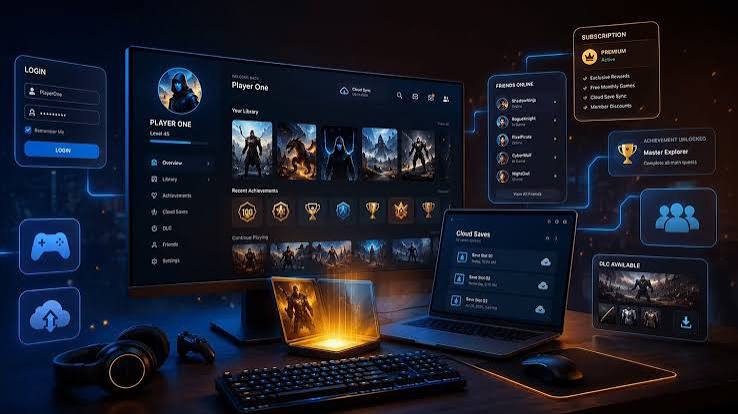
Understanding the Modern Digital Gaming Environment
Online gaming has developed into a popular form of digital entertainment, providing people with convenient opportunities to enjoy interactive activities during their leisure time. Modern platforms focus on combining accessible interfaces, different entertainment categories, and useful account features to create an organized environment for visitors. The 23win platform represents a digital gaming destination for users interested in exploring interactive entertainment and learning about different online game options. A well-designed gaming environment should make essential information easy to find while allowing visitors to understand available features without unnecessary complications. Clear menus, readable descriptions, and responsive page layouts can make the experience more comfortable for both beginners and experienced users. In addition, visitors increasingly value convenient account management, device compatibility, and accessible assistance when evaluating online services. These elements contribute to the overall usability of a platform and help users make informed decisions. However, individual experiences can differ depending on internet connectivity, device specifications, regional availability, and service conditions. Understanding these factors before participating can help users develop realistic expectations and choose entertainment options that match their personal interests.
Essential Gaming Features and Platform Functionality
A digital gaming platform can offer various features designed to improve navigation, accessibility, and general usability. These functions help visitors understand how different sections operate and locate information without spending unnecessary time searching through complicated menus. A practical interface should present essential options in a logical order, making it easier to identify entertainment categories, account settings, announcements, and available assistance. Technical performance also contributes to the overall experience because slow loading, confusing controls, and inconsistent page layouts can affect convenience. Platforms that prioritize responsive design and clear organization may provide a more accessible environment across supported devices. Nevertheless, users should evaluate actual performance rather than relying entirely on promotional descriptions.
Important Features Worth Exploring
- Organized game categories: Clearly arranged sections help visitors discover available entertainment options.
- Responsive interface: Flexible layouts can improve navigation across smartphones, tablets, and desktop computers.
- Account management: Accessible settings make it easier to review and manage personal account information.
- Informative notifications: Relevant updates can help visitors stay aware of important service announcements.
- Help resources: Frequently asked questions and instructions can address common concerns.
- Performance optimization: Efficient page structures can contribute to smoother navigation and loading.
- Accessible information: Readable descriptions help users understand the purpose of different platform features.
The usefulness of these functions depends on their actual implementation and availability. Visitors should review published information carefully and determine whether the available tools meet their expectations. A platform becomes more convenient when its features provide practical value rather than unnecessary complexity.
Popular Digital Game Options and Entertainment Categories
One of the most interesting aspects of online entertainment is the variety of activities available to different audiences. Players may have different preferences depending on their experience, available time, and preferred style of interaction. Some individuals enjoy simple recreational activities, while others prefer challenges involving strategy, concentration, or logical thinking. Organizing these options into understandable categories can make it easier to identify suitable entertainment. Clear descriptions are particularly helpful for newcomers because they provide an introduction to the basic mechanics and requirements of unfamiliar activities. Before participating, users should understand the rules and check whether particular options have age, regional, or account-related restrictions.
Different Types of Digital Gaming Activities
- Casual games: Simple mechanics make these activities suitable for convenient recreational sessions.
- Puzzle games: Logical challenges encourage concentration, observation, and problem-solving.
- Strategy games: Planning and decision-making are central to these interactive experiences.
- Skill-based activities: Certain formats emphasize timing, familiarity with rules, and consistent decisions.
- Interactive challenges: Defined objectives can provide structure and a sense of progression.
- Competitive experiences: Score-based formats may appeal to users interested in measuring performance.
- Recreational digital activities: Additional entertainment formats can provide alternatives for different interests.
The most appropriate option depends on individual preferences rather than the number of categories a service advertises. Visitors should explore available descriptions, understand the participation requirements, and select activities that fit their recreational interests. They should also remember that outcomes in games involving chance are unpredictable and should never be treated as guaranteed sources of income.
Smooth Gameplay and Compatibility Across Multiple Devices
Technical performance is an important factor when evaluating any online gaming service. Users generally appreciate responsive controls, consistent loading, readable graphics, and stable access because these elements make navigation more comfortable. A platform that adjusts its layout to different screen sizes can provide greater convenience for people who prefer using smartphones or tablets. Desktop computers may offer advantages through larger displays, while mobile devices allow access from different locations. However, the quality of the experience depends on more than the platform’s design. Internet speed, browser compatibility, available memory, and device specifications can all influence performance. Understanding these factors can help users identify possible causes of interruptions and take appropriate steps to improve accessibility.
Practical Ways to Support Better Performance
- Maintain an updated browser: Current browser versions can improve compatibility and stability.
- Check internet connectivity: A reliable connection can reduce interruptions during online sessions.
- Close unnecessary applications: Limiting background activity may help devices operate more efficiently.
- Use compatible devices: Review the published technical requirements before accessing unfamiliar features.
- Adjust display settings: Appropriate screen brightness and text settings can improve visual comfort.
- Clear temporary browser data: Removing unnecessary cached information may help resolve certain loading problems.
- Avoid unverified applications: Download software only through trusted and authentic sources.
These practices can help users maintain a more consistent experience, although they cannot eliminate every possible technical problem. Temporary maintenance, server interruptions, and network conditions may still affect accessibility. Realistic expectations are therefore important when evaluating performance.
Account Registration, Personal Settings, and User Management
Account management is an important part of many online services because it provides access to personalized settings and other account-related functions. A straightforward registration process can help newcomers understand the basic requirements before using available features. However, convenience should not replace careful attention to privacy and security. Visitors should examine the registration conditions, verification requirements, and account policies before submitting personal information. Understanding these details can prevent confusion and help users recognize which information is necessary. A reliable account management environment should also explain how users can update their details, manage preferences, and request assistance when access problems occur. Clear procedures make routine account activities easier to understand.
Account Management Considerations
- Registration requirements: Read the eligibility conditions and understand the information requested during registration.
- Personal details: Provide accurate information only through verified and legitimate channels.
- Profile settings: Review available options for managing account preferences.
- Verification procedures: Understand any identity or security checks required by the service.
- Password management: Use unique and difficult-to-guess passwords.
- Account notifications: Review communication preferences and important security alerts.
- Privacy information: Understand how submitted information may be stored and processed.
Users should avoid creating accounts through suspicious links or providing sensitive information to unknown individuals. If registration instructions are unclear, they should consult verified support resources before proceeding. Careful account management supports a more informed approach to digital services.
Login Accessibility, Account Security, and Helpful User Support
Convenient account access allows registered users to reach their personal settings and other available services. However, login procedures should always be approached with attention to security. Users need to verify that they are accessing an authentic page before entering passwords or other confidential information. A secure access process may include password protection, additional verification, and account recovery options, depending on the service’s actual features. Visitors should also understand the procedures for resolving common problems, such as forgotten passwords, verification difficulties, or temporary access restrictions. Clear support information can make these situations easier to manage without exposing personal details unnecessarily.
Best Practices for Secure Account Access
- Verify the official address: Check the page address before submitting account credentials.
- Create a strong password: Combine suitable characters and avoid predictable personal information.
- Use additional authentication: Enable multifactor verification when available.
- Protect security codes: Never share temporary verification codes with other people.
- Avoid public-device access: Be cautious when using shared computers or unsecured networks.
- Follow recovery instructions: Use legitimate account recovery procedures if access becomes unavailable.
- Contact verified support: Seek assistance through contact details published by an authentic source.
Visitors searching for 23 win account access should independently verify the legitimacy of the relevant login page before entering any information. They should avoid unofficial links, unexpected messages, and third-party services requesting confidential credentials. If an account problem occurs, keeping relevant error messages and reference details can help when contacting support. Users should never disclose passwords, full payment credentials, or authentication codes to anyone claiming to provide assistance.
Privacy Protection, Responsible Participation, and Service Transparency
Privacy and responsible participation are essential considerations when using digital entertainment services. An attractive interface and a broad selection of activities do not automatically establish that a platform is secure or suitable for every visitor. Users should examine privacy policies, service terms, eligibility requirements, and regional restrictions before creating an account or participating. These documents can explain how personal information is handled, which conditions apply to particular activities, and what procedures are available for account-related concerns. Transparency is especially important when a service involves financial transactions, promotional offers, or activities with unpredictable outcomes. Visitors should carefully examine all applicable conditions instead of relying exclusively on advertising statements.
Responsible Practices for Digital Entertainment
- Set time boundaries: Decide how much time to dedicate to recreational activities.
- Establish spending limits: Never use money reserved for essential expenses.
- Understand financial conditions: Review applicable fees, transaction rules, and withdrawal requirements.
- Protect private information: Avoid sharing confidential details through unverified communication channels.
- Check eligibility: Follow applicable age requirements and regional regulations.
- Review promotional terms: Understand restrictions before accepting any offer.
- Take regular breaks: Maintain a healthy balance between online activities and everyday responsibilities.
- Recognize potential problems: Stop participating if entertainment begins affecting personal or financial well-being.
Responsible participation means recognizing that online entertainment should remain recreational. Activities involving chance do not provide guaranteed results, and users should not treat them as investment opportunities or dependable income sources. If participation becomes difficult to control, stepping away and seeking appropriate assistance are important decisions.
Conclusion: Making Informed Choices About Gaming Features, Secure Account Access, and Enjoyable Digital Entertainment
Online gaming platforms continue to develop by introducing different entertainment categories, improved interfaces, and convenient account management features. These developments provide users with more opportunities to explore interactive activities and choose recreational experiences according to their interests. However, the overall quality of a digital service depends on several factors working together. Smooth gameplay, responsive navigation, understandable instructions, and device compatibility can all contribute to a convenient experience. Users should examine these practical qualities rather than judging a service exclusively by promotional descriptions or the number of advertised features.
Account security and privacy deserve equal attention. Before registering or accessing an account, visitors should verify the authenticity of the service, review its published policies, and understand its eligibility requirements. Strong passwords, additional authentication, and careful handling of confidential information can reduce avoidable security risks. When technical or account-related questions arise, verified support channels provide a more appropriate way to seek assistance than unknown third-party contacts.
Another important consideration is responsible participation. Users should establish realistic time limits, understand any financial conditions, and avoid spending money they cannot afford to lose. They should also recognize that activities involving chance have unpredictable outcomes and that no promotional statement can guarantee success. Reviewing rules and understanding potential risks can help people make more responsible decisions.
Ultimately, a positive digital entertainment experience is built on informed choices, practical features, and sensible habits. By evaluating available activities, understanding account procedures, protecting personal information, and maintaining reasonable boundaries, users can approach online gaming more confidently. Choosing an environment that prioritizes accessibility, transparency, and user awareness provides a stronger foundation for enjoyable recreational experiences while keeping personal security and well-being in focus.
