
Introduction
Making espresso at home can be a rewarding experience, especially for people who enjoy fresh coffee and want more control over how each cup is prepared. However, building a good coffee station often takes more than buying an espresso maker. A grinder, a reliable brewing system, tools for measuring coffee, and a way to prepare milk can all become part of the process. When these items are purchased separately, the setup may take up more counter space and require extra time to manage. This is why many coffee lovers are interested in an integrated espresso machine that brings several important functions together.
A complete home espresso setup should make daily preparation easier without taking away the chance to learn and improve. From choosing coffee beans to adjusting grind size and preparing milk, each step affects the final drink. The right equipment can help make these steps more organized and repeatable. Understanding the features of a modern coffee machine is therefore useful before making a purchase. By looking at grinding, brewing, temperature control, and everyday convenience, home baristas can make a more informed decision about the equipment that suits their routines.
Why an Integrated Coffee Machine Can Improve a Home Setup
An integrated coffee machine combines several parts of espresso preparation in one system. Instead of keeping a separate grinder beside an espresso maker, users can work with equipment designed to support a connected brewing process. This arrangement can make a kitchen counter feel more organized and reduce the number of separate devices needed for daily coffee preparation. It may also help beginners understand how grinding and brewing work together because both stages are part of the same routine.
A well-planned coffee station should support the habits of the person using it. Someone who prepares one espresso each morning may value a simple workflow, while a household that makes several drinks may need equipment that can handle repeated use. An integrated design can reduce the effort involved in moving between different tools, although users still need to learn how to prepare coffee correctly. Grind size, coffee dose, tamping, and extraction time remain important. Combining equipment does not remove these steps, but it can make them easier to manage as part of one regular process.
Exploring the Features of the Meraki Coffee Machine
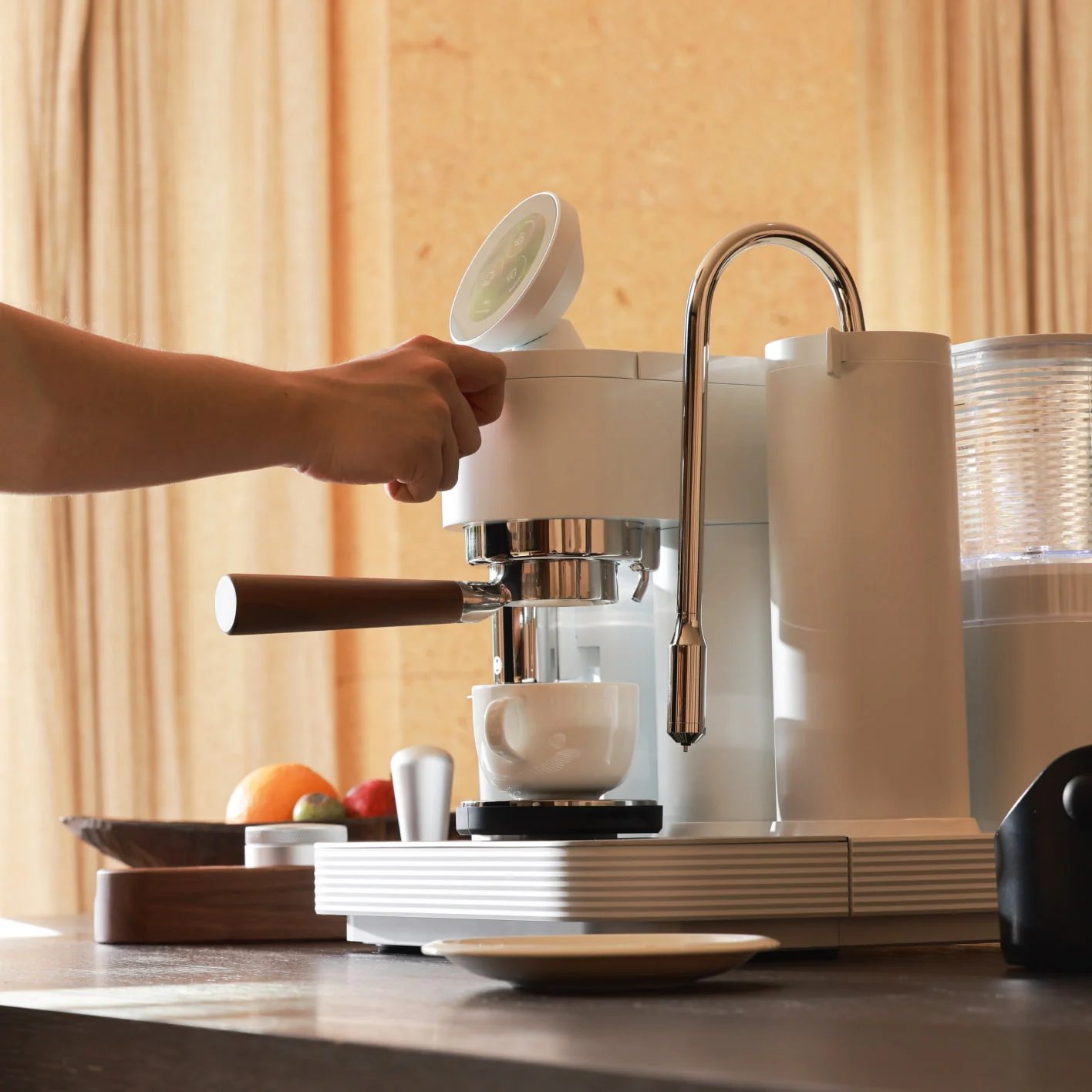
When comparing integrated equipment, it is useful to look beyond appearance and consider how each feature supports the brewing process. The Meraki coffee machine brings together functions such as grinding, espresso brewing, milk steaming, and weighing. This approach is intended to support several stages of preparation within one home coffee system. For people who want to understand the machine's design and available features, the Meraki coffee machine product page provides a useful starting point.
A built-in grinder can help users prepare fresh coffee grounds when they are ready to make a drink. Fresh grinding matters because coffee begins to lose some of its aroma after the beans are ground. Integrated scales can also support more consistent preparation by helping users measure coffee and monitor their brewing process. Dual boilers are another important feature because separate brewing and steaming systems can support preparing espresso and milk at the same time. A rotary pump and touchscreen add further elements to the machine's design. Buyers should review the current product listing to understand the exact configuration and included features before deciding whether it meets their needs.
Understanding the Importance of Grinder and Brewing Control
Grinding is one of the most important stages of espresso preparation. Coffee that is ground too coarsely may allow water to pass through too quickly, producing a weak or underdeveloped drink. Very fine grounds can slow water flow and may lead to an overly intense or bitter result. Finding a suitable grind setting often requires small adjustments based on the beans, roast level, and taste preference. A machine with an integrated grinder can make these changes more convenient because grinding is part of the same preparation station.
Brewing control matters just as much as grinding. The amount of coffee used, the volume of water, and the time taken to extract a shot all influence its flavor. A consistent routine helps users understand which adjustments improve the result. For example, someone who changes to a darker roast may need to experiment with grind size and extraction to achieve a balanced cup. Keeping notes about the beans and settings can make this learning process easier. An integrated espresso setup can support this routine, but good results still depend on fresh beans, careful preparation, and regular practice.
How Gen 2 Developments Fit Into the Home Brewing Experience
Product generations can introduce changes that affect how a machine works and how easily users can operate it. Buyers comparing different versions should check the exact model rather than assuming that every feature is the same. The Meraki Gen 2 overview explains developments associated with this generation, including 45 grind settings, E61-style portafilter compatibility, a redesigned shower screen, and a multilingual interface. Readers interested in these updates can explore the Meraki espresso for more information about the changes.
These details are useful because they connect product design with everyday use. Multiple grind settings can provide more room for adjusting coffee preparation, while portafilter compatibility information helps buyers understand which equipment may work with the machine. A redesigned shower screen is another technical detail worth learning about when comparing espresso systems. The interface can also affect the experience, especially for households where users prefer different languages. Before purchasing accessories or comparing generations, buyers should confirm compatibility through the official product information. This can help prevent confusion and reduce the chance of ordering equipment that does not fit the intended model.
Creating a Practical Daily Espresso Routine
A good home coffee routine does not need to be complicated. Starting with fresh beans, using a suitable grind setting, and measuring the coffee dose can provide a reliable foundation. Once the coffee is prepared, users can distribute the grounds evenly in the portafilter and tamp them with steady pressure. These small steps help create a more consistent coffee bed, which supports even water flow during extraction. Over time, repeating the same process makes it easier to notice when a change in flavor comes from the beans, grind, or brewing conditions.
Cleaning and maintenance should also be part of the daily routine. Coffee oils and small particles can collect around brewing components, while milk residue can build up in steaming equipment if it is not cleaned after use. Following the manufacturer's care instructions helps keep the machine in good working condition. Users should also pay attention to water quality and the recommended cleaning schedule. A tidy coffee station, properly stored beans, and clean accessories can make preparation more enjoyable. These habits are useful whether someone is making a simple espresso or preparing milk-based drinks for family and friends.
What to Consider Before Choosing a Complete Espresso Setup
Before selecting a machine, buyers should think about their available counter space, coffee preferences, and daily preparation habits. An integrated system may be a suitable option for people who want grinding and brewing functions together, but it is important to consider the machine's size and the space needed for cleaning and accessories. Households that enjoy cappuccinos or lattes may also want to pay close attention to milk-steaming features. People who mainly drink straight espresso may place greater importance on grinder adjustments and brewing consistency.
Budget and long-term convenience are also worth considering. The initial purchase price is only one part of owning an espresso machine. Buyers may also need coffee beans, cleaning supplies, cups, and compatible accessories. Checking the product configuration and included items can help prevent unexpected expenses. It is also useful to review available instructions and product support before making a final decision. By comparing these practical factors, coffee lovers can choose equipment that fits their kitchen, skill level, and expectations instead of focusing only on a long list of technical specifications.
Conclusion
Choosing a complete home espresso setup is about finding equipment that supports a comfortable and repeatable coffee routine. An integrated machine can bring grinding, brewing, steaming, and measurement functions together, helping users organize their preparation space and manage several important steps in one place. However, the quality of each drink still depends on fresh beans, suitable grind settings, careful extraction, and regular maintenance.
The Meraki coffee machine offers an integrated approach for people interested in bringing different stages of espresso preparation into one system. Understanding its features, checking model information, and considering everyday needs can help buyers decide whether it matches their expectations. With the right equipment and a little practice, preparing espresso at home can become a more organized and enjoyable part of daily life.
