
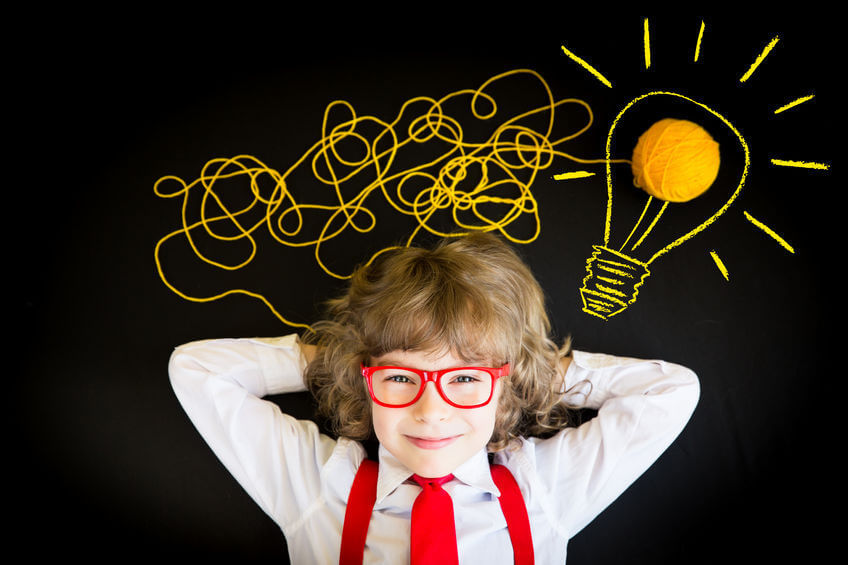
Childhood is a time of exploration, imagination, and emotional growth. During these early years, creative expression plays a powerful role in how children understand the world around them. Art, in particular, allows children to communicate thoughts and feelings they may not yet have words for. Through colours, shapes, and textures, they begin to develop confidence, curiosity, and a sense of identity.
In a fast-paced and academically driven environment, creative activities provide balance. They offer children a safe space to slow down, experiment freely, and enjoy the process rather than focus solely on outcomes. This balance is essential for healthy emotional and cognitive development.
Why Art Matters in Early Childhood Development
Art is not just about drawing or painting something that looks good. It supports fine motor skills, hand-eye coordination, and spatial awareness. When children hold a brush, tear paper, or mould clay, they strengthen muscles needed for writing and daily tasks. These small actions contribute significantly to long-term physical development.
Beyond physical benefits, art nurtures problem-solving and critical thinking. Deciding which colours to use, how to fill a space, or how to fix a mistake encourages children to think independently. There is no single “right” answer in art, which helps children become more comfortable with experimentation and creative risk-taking.
Encouraging Emotional Expression Through Creativity
Young children often experience strong emotions but struggle to express them verbally. Art offers an alternative form of communication. A child’s choice of colours, shapes, or themes can reflect their mood, experiences, and inner thoughts. This makes creative activities especially valuable for emotional development.
When children are encouraged to express themselves without judgment, they feel heard and understood. This builds emotional resilience and self-awareness. Over time, children learn that their feelings are valid and that there are healthy ways to express them.
Building Confidence Without Pressure
One of the greatest advantages of art-based learning is the absence of rigid rules. Unlike academic subjects that may involve correct or incorrect answers, art focuses on personal expression. This allows children to work at their own pace and feel proud of their efforts.
Positive reinforcement during creative activities boosts self-esteem. When children see their ideas appreciated, they gain confidence in their abilities. This confidence often carries over into other areas of learning, making them more willing to try new things and face challenges.
Social Skills and Collaboration Through Art
Art activities also provide opportunities for social interaction. Group projects teach children how to share materials, take turns, and respect others’ ideas. These experiences help develop cooperation, patience, and communication skills.
Working alongside peers encourages observation and inspiration. Children learn that everyone has a unique perspective, fostering empathy and openness. These social lessons are just as important as technical skills, especially during the early developmental years.
The Role of a Supportive Learning Environment
A nurturing environment plays a crucial role in creative development. Children thrive when they feel safe to explore without fear of criticism. Educators who guide rather than control allow creativity to flourish naturally.
The focus should always be on the process, not the final product. When children are praised for effort and imagination rather than perfection, they develop a healthy attitude toward learning. This mindset supports lifelong creativity and curiosity.
Integrating Art into a Child’s Routine
Consistency is key when it comes to creative growth. Regular exposure to art activities helps children build skills gradually while maintaining enthusiasm. Art does not need to be limited to formal sessions; it can be integrated into daily routines through simple activities like drawing, crafting, or storytelling.
Parents who encourage creativity at home reinforce what children experience in learning spaces. Displaying artwork, asking about the creative process, and participating together strengthens the child’s sense of pride and connection.
Supporting Creative Learning in a Modern City
In a vibrant and diverse city environment, creative education offers children a way to connect with culture, ideas, and self-expression. Many families recognise the value of structured yet flexible creative programs that support holistic development.
That is why initiatives such as Little-Artists in Singapore are often explored by parents seeking meaningful creative exposure for their children. These spaces aim to nurture imagination while supporting emotional, social, and cognitive growth in a balanced way.
Creativity as a Foundation for the Future
The benefits of early creative education extend far beyond childhood. Creative thinkers are often better problem-solvers, communicators, and innovators. They are more adaptable and open-minded, qualities that are increasingly important in a changing world.
When children grow up believing their ideas matter, they develop confidence to express themselves in school, relationships, and future careers. Creativity becomes not just a skill, but a mindset that supports lifelong learning.
Helping Children Discover Their Unique Voice
Every child is naturally creative in their own way. The role of parents and educators is not to shape that creativity, but to provide the tools and environment for it to emerge. With encouragement, patience, and opportunity, children can discover their unique voice and learn to express it confidently.
By valuing creativity from an early age, we give children more than artistic skills—we give them emotional strength, confidence, and a deeper understanding of themselves and the world around them.