
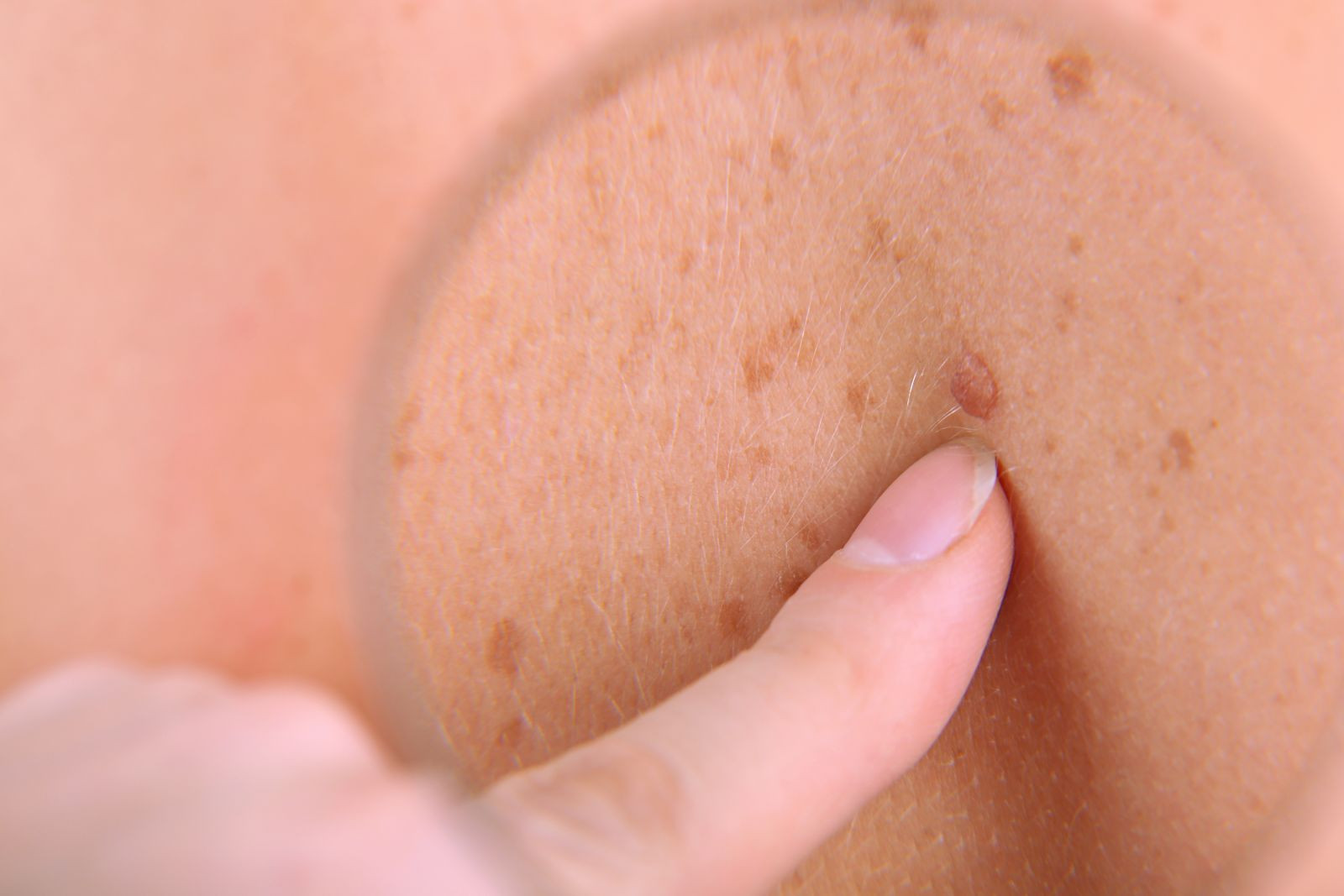
Most people have moles on their skin. Some appear during childhood, while others develop later in life. In most cases, these small spots are harmless and remain unchanged for years. However, paying attention to your moles is an important part of maintaining healthy skin. A simple mole checker routine can help you notice changes early and take action when needed.
Early awareness is key when it comes to skin health. By regularly checking your skin and learning what normal moles look like, you can quickly notice if something begins to change.
Why Monitoring Moles Is Important
Moles form when pigment-producing cells cluster together on the skin. They can vary in size, shape, and color. Some are flat while others are raised, and they may appear anywhere on the body.
Most moles are harmless, but changes in a mole can sometimes indicate a skin problem that needs medical attention. This is why many people want to learn how to check if a mole is cancerous and stay alert to any unusual signs.
By checking your skin regularly, you can detect differences early and seek professional advice if necessary.
Step 1: Get Familiar With Your Skin
The first step in using a mole checker approach is simply becoming familiar with your skin. Take a few minutes each month to look at your body in a mirror and notice where your moles are located.
Pay attention to areas that are easy to miss, such as the back, shoulders, scalp, and the backs of your legs. If possible, ask a family member or use a second mirror to check hard-to-see areas.
When you regularly check moles on your skin, you become more aware of your normal skin patterns. This makes it easier to notice changes if they occur.
Step 2: Look for Visible Changes
During your skin check, focus on any moles that look different from the others. Some changes that may require attention include:
- A mole that suddenly grows larger
- A change in color or uneven shading
- Edges that appear irregular or blurred
- A mole that becomes itchy, painful, or irritated
- A spot that bleeds or develops a crust
Learning these signs helps you understand how to check if a mole is cancerous and when it may be time to consult a specialist.
Step 3: Use Digital Tools for Tracking
Modern technology has made skin monitoring easier. Many people now rely on a mole checker app to track their moles over time.
These apps allow users to take photos of their moles and save them for comparison. By looking at images taken weeks or months apart, you may notice small changes that are difficult to detect in everyday life.
A skin mole scanner works in a similar way by capturing clear images that help you monitor specific spots more closely.
Using a mole screening app can also remind you to perform regular skin checks, so the habit becomes part of your routine.
Step 4: Try Smart Skin Monitoring Tools
Artificial intelligence has introduced new ways to review skin spots at home. An AI mole checker analyzes photos and compares them with large image databases to highlight patterns that may need attention.
Some people also use an AI skin checker or skin spot checker to get an initial opinion about a mole’s appearance. These tools are designed to raise awareness and encourage users to seek medical advice if a spot looks unusual.
Many users search for an AI mole checker online for free to perform a quick check without downloading software.
While these tools can be helpful, they should only be used as a guide. They are not a replacement for professional medical advice.
Step 5: Keep a Visual Record
Keeping a record of your moles can help you track changes more accurately. A mole analysis app often allows users to store photos, measure mole size, and add notes about any changes.
Over time, this creates a timeline of your skin’s appearance. If a doctor needs to examine a mole later, having this record can be helpful.
Some apps even function like an ” Is My Mole Dangerous ” app, providing basic feedback and guidance about whether a mole should be monitored more closely.
For people living in the United Kingdom, searches for the best mole checking app UK have increased as more individuals look for convenient ways to monitor their skin health.
Step 6: Know When to See a Specialist
Although tools like a skin mole scanner or an AI mole checker can help with monitoring, they cannot replace a professional diagnosis.
If you notice a mole changing quickly, becoming painful, or looking significantly different from other moles, it is important to consult a qualified healthcare professional.
Dermatologists are trained to evaluate skin changes and determine whether further examination is necessary.
Building a Healthy Skin Habit
Checking your skin regularly does not require much time. Just a few minutes each month can help you become more aware of your skin and notice unusual changes early.
Combining traditional self-checks with tools like a mole screening app, mole analysis app, or AI skin checker can make monitoring easier and more organized.
A Small Step Toward Better Skin Health
Your skin often reflects what is happening inside your body. Paying attention to moles and skin spots can help you stay one step ahead of potential problems.
By using a mole checker, regularly performing skin checks, and using helpful tools such as a mole checker app or skin spot checker, you can take an active role in protecting your health.
Spotting changes early can make a big difference. A few minutes of attention today may help protect your skin for years to come.
