
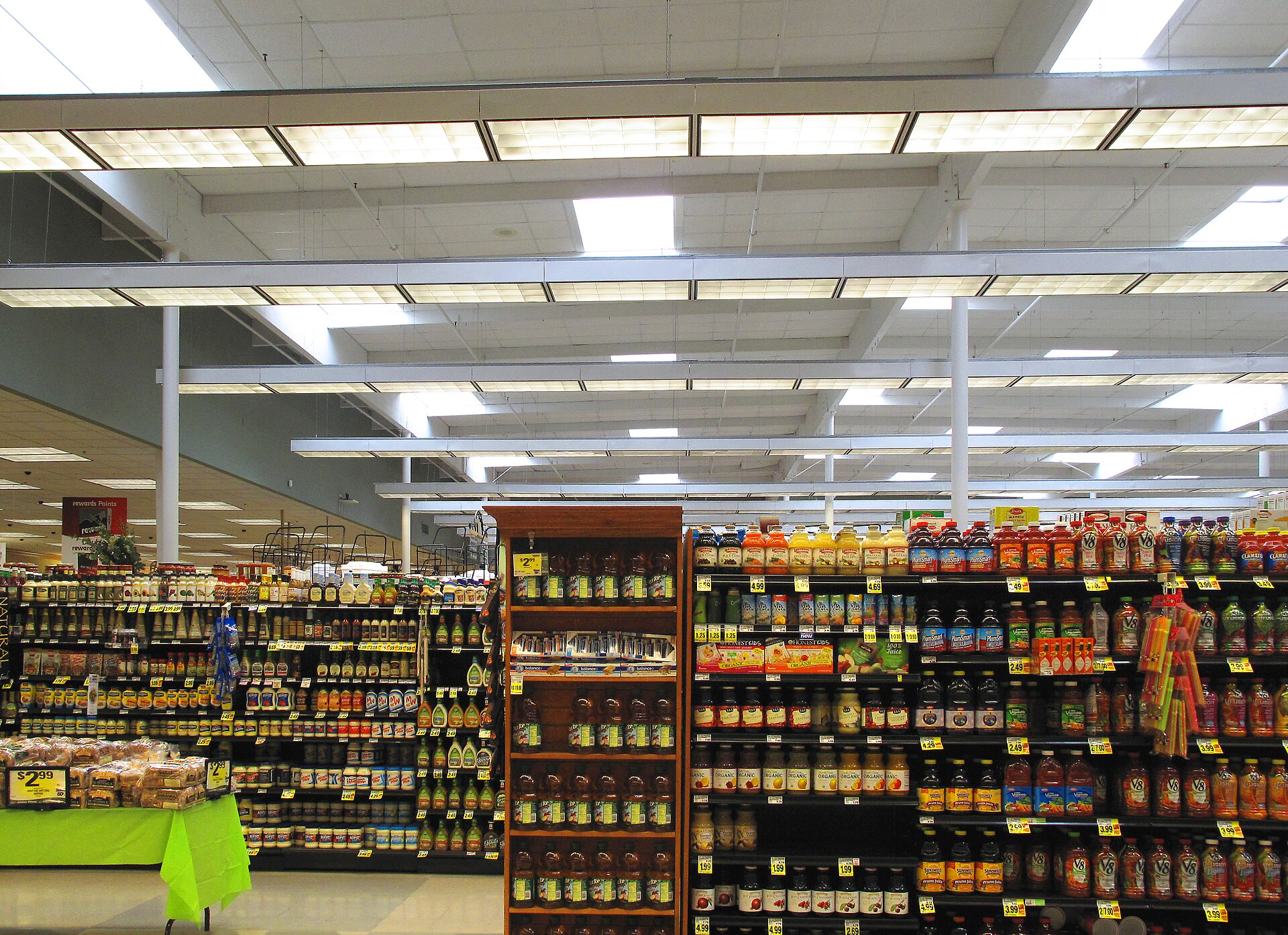
Ultra-processed food has become nutrition’s favourite villain. Hardly a week passes without a headline linking it to another condition, and shoppers could be forgiven for feeling both alarmed and confused: is a supermarket loaf really in the same category as a fizzy drink? Is the problem the processing, the nutrients, or the kind of life that comes with eating mostly packaged food? The research, read carefully, gives a clearer picture than the headlines.
The term comes from the NOVA system, which classifies food by the extent and purpose of industrial processing. Ultra-processed products are formulations — soft drinks, confectionery, instant meals, packaged snacks, processed meats — built from refined substances and additives, designed for convenience, shelf life and strong palatability. In several high-income countries they supply roughly half of all energy eaten, a share that has risen for decades alongside obesity rates.
What Is Proven, and What Is Association
The strongest evidence is observational but extensive: dozens of cohort studies across many countries find that people eating the most ultra-processed food have higher rates of obesity, cardiovascular disease, type 2 diabetes and early mortality. A 2024 umbrella review in The BMJ pooled the evidence and found direct associations with 32 health outcomes. Observational studies cannot fully exclude confounding — heavy consumers of these foods differ in income, smoking and activity too — but the dose-response patterns and consistency make “no effect” increasingly hard to defend.
One landmark experiment moved beyond association. In a controlled inpatient trial, volunteers offered ultra-processed meals ate around 500 calories more per day and gained weight in two weeks, despite meals being matched for presented calories, fat, sugar and fibre. They also ate faster. Something about soft textures, energy density and engineered palatability appears to override normal fullness signals — a mechanism, not just a correlation.
The Nuances the Debate Often Misses
Researchers themselves raise the sharpest caveats. The ultra-processed category is broad: wholemeal breads, fortified cereals and plant-based meat alternatives sit inside it alongside cola and candy, and sub-group analyses suggest harm concentrates in sugary drinks, processed meats and energy-dense snacks, while some other members look neutral. Critics also note that advising individuals misses the structural story — these products are cheap, ubiquitous and marketed relentlessly, and the World Health Organization frames diet quality as an environmental as much as personal issue.
There is also a risk of backfire for plant-based eaters, a theme we return to in our blog: a vegan diet of nuggets, chips and soft drinks is ultra-processed through and through, while minimally processed animal foods exist too. Processing level and food source are separate axes, and health depends on both.
A Sane Way to Act on the Evidence
The practical consensus among nutrition scientists is refreshingly undramatic. You do not need to audit every ingredient or ban packaged food; shifting the overall balance works. Cook more often from recognisable ingredients, make water the default drink, treat the most engineered products as occasional rather than staple, and read long additive lists as information rather than accusation. Policies under debate — clearer labels, marketing restrictions, reformulation targets — aim to make that shift easier rather than to shame shoppers.
Read this way, the ultra-processed food literature is not hype; it is one of the more robust stories in modern nutrition science, with honest uncertainties at the edges. The signal is consistent enough to act on, and the action it recommends is old-fashioned: mostly whole foods, mostly cooked, enjoyed without anxiety. Follow more research explainers at Veganizoo.
A useful personal heuristic comes from researchers themselves: ask whether the product could plausibly be made in a home kitchen from its listed ingredients, and how often it appears in your week rather than whether it appears at all. Occasional convenience food inside a diet of mostly whole ingredients is a very different exposure from the pattern the studies flag — the majority of daily energy arriving from industrial formulations, day after day, year after year.
