
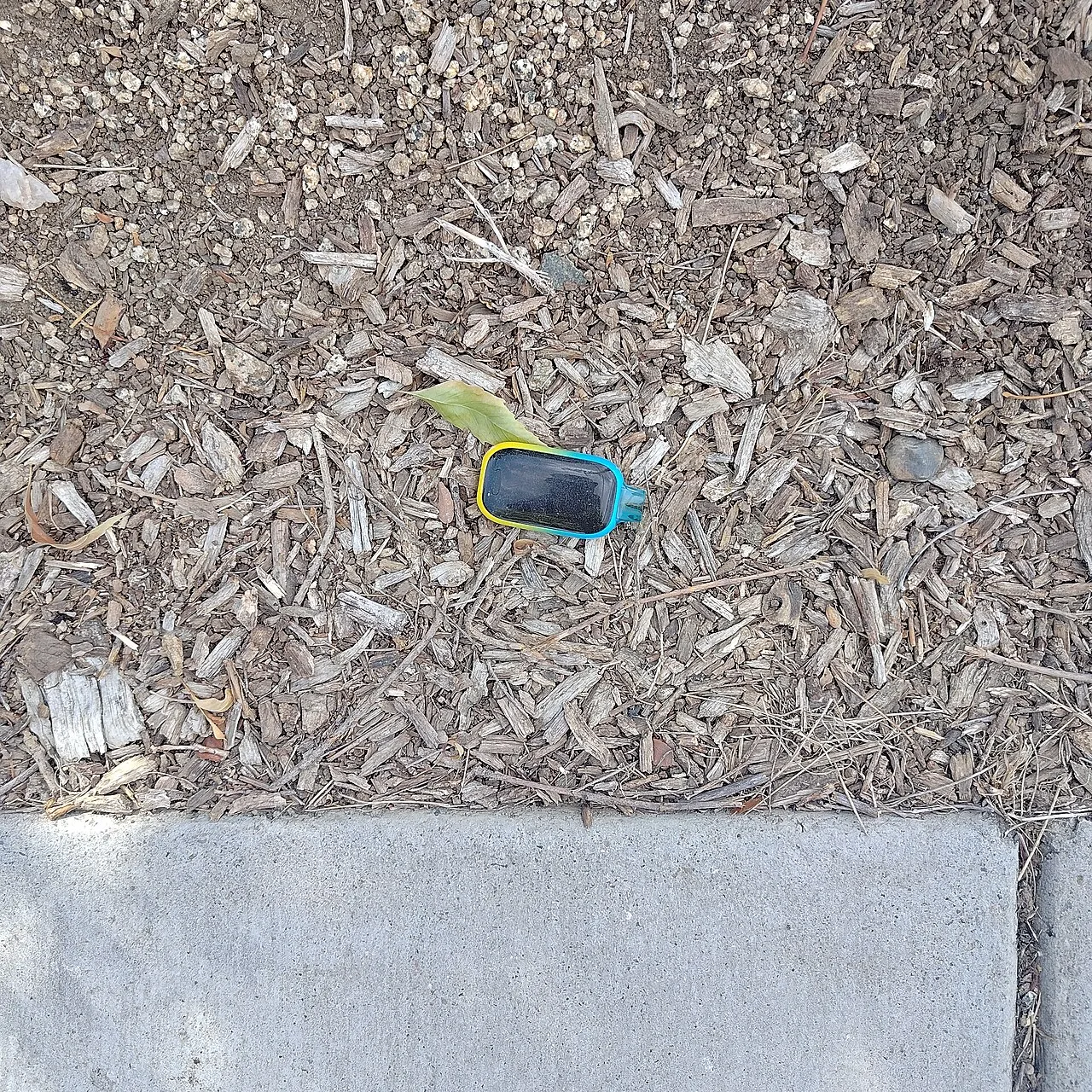
It has become one of the most familiar sights on a city walk: a bright plastic tube in the gutter, in the park, at the bus stop. Disposable vapes are small, cheap and designed to be thrown away, and environmental groups now count them among the fastest-growing sources of litter. Each discarded device is three problems in one: plastic casing, a lithium battery and residual nicotine, all in a product used for a few days at most.
A battery in the bin, millions of times a week
Analyses by recycling campaigners have estimated that millions of disposable vapes are discarded every week in larger markets, with a large share ending up in general waste or on the ground rather than in electronics recycling. That matters because lithium batteries are both valuable and hazardous: valuable because lithium is a critical material the world is scrambling to secure, hazardous because crushed batteries in waste trucks and recycling plants are a documented fire risk. A rechargeable device thrown away after a few hundred puffs wastes all of that in a single gesture.
How a throwaway product hooks first-time users
The environmental story and the health story are the same story. Disposables took off because they removed every friction point: no charging, no refilling, no commitment, and a price closer to a coffee than a gadget. Sweet flavours and nicotine salts made them easy for beginners, including people who had never smoked, to inhale high-strength nicotine smoothly. Social media visibility did the rest. Public health bodies such as the CDC warn that nicotine exposure harms adolescent brain development and that disposables became the most commonly used e-cigarette among young users precisely because they are cheap, concealable and flavoured.
What is being done about the waste
Some governments have moved to ban single-use vapes outright, citing both youth uptake and waste, while others are pushing take-back schemes that treat every vape seller as a recycling point. Environmental experts make a simple argument: a product category that puts a lithium battery into landfill by design would never be approved if it were proposed today. Consumers have a role too. Any vape, disposable or not, should go to battery or electronics recycling, never the household bin.
If the habit has caught you
Cessation specialists offer the same practical advice whether the motivation is health, money or the planet. Set a quit date, expect cravings to peak in the first fortnight, use regulated nicotine replacement if you need it, and ask a stop-smoking service for support, because guided attempts succeed far more often than solo ones. Switching from disposables to a refillable device is, at best, a halfway step; quitting nicotine entirely is the goal the experts keep pointing to.
A design problem, not a littering problem
Environmental groups are careful to aim their criticism at design rather than at individual users. A rechargeable battery sealed inside a product marketed for a few days of use is, in their words, a category error: the most resource-intensive component is given the shortest life. Refillable devices are not impact-free, but they separate the battery’s lifespan from the consumable liquid, cutting waste dramatically per user. Campaigners want producers to fund collection under extended producer-responsibility rules, retailers to accept returns at the till, and buyers to ask one simple question before choosing the throwaway option: where exactly will this be in a week’s time? The honest answer, for millions of devices a week, is currently a gutter, a landfill or an incinerator, and none of those was supposed to be part of the product.
Caring for your surroundings and your body usually turn out to be the same project, as our health coverage often shows, including our explainer on what is behind the latest rise in US measles cases. The little plastic tube on the pavement is a clue to a much bigger habit. It is worth picking up, in every sense.
