
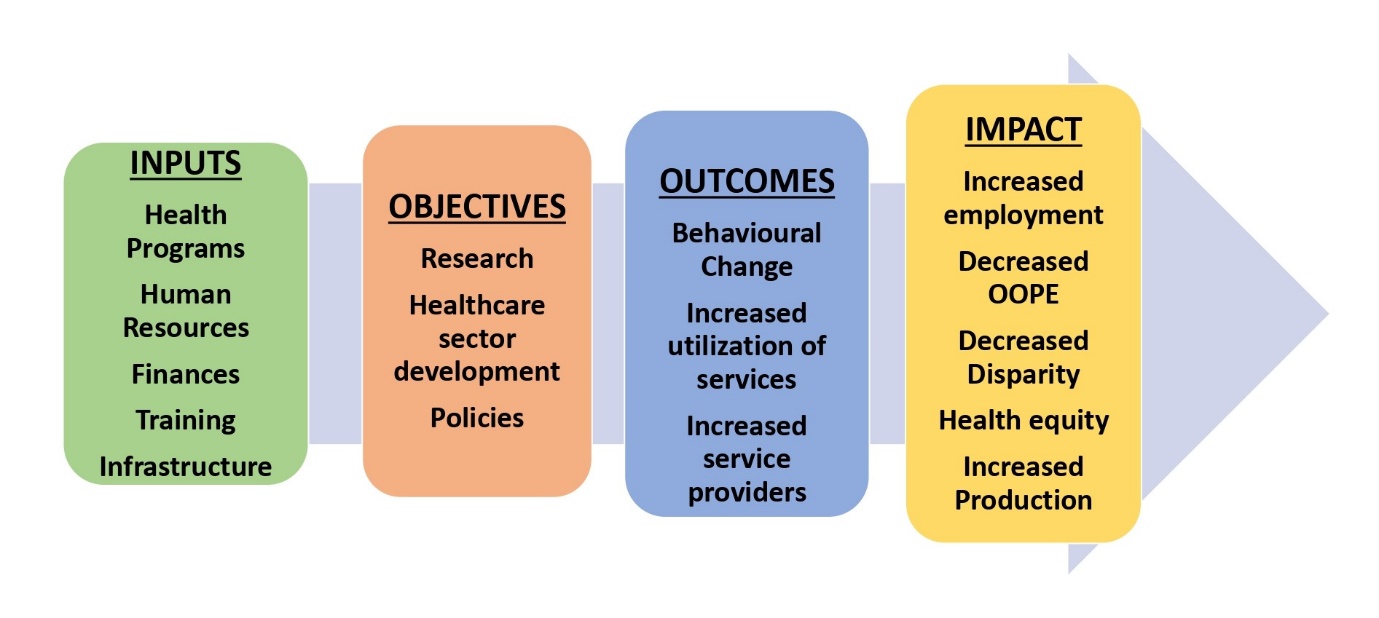
Health Economics Outcomes Research (HEOR) has emerged as a critical component in shaping healthcare strategies, improving patient outcomes, and guiding resource allocation. By integrating economic evaluation with clinical data, health economics outcomes research provides healthcare decision-makers with a comprehensive understanding of the value, effectiveness, and efficiency of medical interventions. This approach enables healthcare providers, policymakers, and institutions to make informed decisions that optimize care delivery and promote sustainable health systems.
Understanding Health Economics Outcomes Research
Health Economics Outcomes Research is a multidisciplinary field that combines elements of economics, epidemiology, and clinical research. Its primary goal is to assess the costs and benefits associated with healthcare interventions, including pharmaceuticals, medical devices, and treatment protocols. HEOR evaluates both direct medical costs, such as hospitalization and medication expenses, and indirect costs, such as lost productivity or caregiver burden.
By analyzing these economic and clinical data, HEOR identifies which treatments provide the greatest value for patients and healthcare systems. It considers not only clinical efficacy but also cost-effectiveness, safety, and quality of life outcomes. This comprehensive perspective is essential for prioritizing interventions and guiding policy and clinical practice decisions.
The Role of HEOR in Decision-Making
Healthcare decision-making is increasingly complex due to rising costs, technological advancements, and expanding treatment options. HEOR provides a structured framework to support these decisions. For example, when evaluating a new drug, HEOR can compare its effectiveness against existing therapies while assessing its cost relative to patient outcomes.
This data-driven approach allows providers and institutions to allocate resources efficiently. By identifying interventions that deliver the most benefit for the cost, HEOR ensures that healthcare spending is directed toward treatments that improve patient health and system sustainability. Additionally, HEOR helps insurers and payers determine reimbursement policies that balance access to care with financial responsibility.
Types of HEOR Studies
HEOR encompasses several types of research methodologies, each providing unique insights into healthcare value. Cost-effectiveness analysis (CEA) compares the relative costs and outcomes of different interventions, often expressed in terms of cost per quality-adjusted life year (QALY). Cost-utility analysis (CUA) focuses on the utility or quality of life associated with specific treatments, providing a standardized metric for comparison.
Budget impact analysis (BIA) evaluates the financial implications of implementing a new intervention within a specific healthcare system or population. This analysis is particularly useful for institutions managing finite resources, as it estimates the economic burden and feasibility of new programs. Real-world evidence (RWE) studies, derived from patient registries and electronic health records, complement traditional clinical trials by providing insights into effectiveness and costs in routine practice.
Enhancing Patient-Centered Care
HEOR plays a critical role in advancing patient-centered care. By incorporating patient-reported outcomes and quality-of-life measures, HEOR ensures that healthcare strategies address not only clinical endpoints but also the broader impact on daily living and well-being. Understanding how treatments affect patient experiences helps providers tailor interventions to meet individual needs and preferences.
For example, two therapies may have similar clinical efficacy, but one may result in fewer side effects or greater convenience for patients. HEOR can quantify these differences, guiding treatment selection to maximize patient satisfaction and adherence. This focus on patient-centered outcomes enhances engagement, promotes better health behaviors, and ultimately leads to improved clinical results.
Supporting Value-Based Healthcare
The shift toward value-based healthcare has amplified the importance of HEOR. Value-based models prioritize outcomes relative to costs, rewarding providers for improving patient health efficiently. HEOR provides the evidence needed to define and measure value, enabling providers and payers to implement strategies that deliver high-quality care at sustainable costs.
For instance, HEOR can identify interventions that reduce hospital readmissions, shorten recovery times, or prevent complications. By quantifying both economic and clinical benefits, healthcare organizations can design programs that optimize resources while maintaining high standards of patient care. This approach aligns financial incentives with clinical excellence, promoting system-wide improvements.
Integration with Real-World Evidence
Real-world evidence enhances the relevance of HEOR studies by reflecting actual patient experiences outside of controlled clinical trials. Data from electronic health records, insurance claims, and patient registries allow researchers to evaluate the effectiveness, safety, and cost of interventions in diverse clinical settings.
Integrating real-world evidence into HEOR provides a more accurate picture of healthcare value. It captures variations in patient populations, treatment adherence, and comorbidities, offering insights that inform practical decision-making. This combination of economic analysis and real-world data supports strategies that are both evidence-based and adaptable to everyday practice.
Driving Innovation and Policy Development
HEOR not only informs clinical decisions but also drives innovation and policy development. By identifying gaps in care or cost-effective alternatives, HEOR guides research priorities and the development of new interventions. Pharmaceutical companies, medical device manufacturers, and healthcare organizations use HEOR findings to design products and programs that address unmet needs efficiently.
Policymakers also rely on HEOR to shape reimbursement strategies, guideline development, and resource allocation. Economic modeling and outcomes research provide transparent, objective evidence that supports policy decisions, ensuring that healthcare strategies are financially sustainable and aligned with clinical goals.
Challenges and Considerations
Despite its potential, HEOR faces several challenges. Data quality and availability can vary, affecting the accuracy of analyses. Integrating complex datasets from multiple sources requires advanced analytics and careful validation. Additionally, interpreting results requires expertise in both economics and clinical science to ensure that conclusions are valid and applicable.
Ethical considerations also play a role. Decisions based on HEOR must balance cost, access, and patient welfare, avoiding unintended consequences that could limit essential care. Transparent methodology, stakeholder engagement, and continuous evaluation are essential to maximize the benefits of HEOR while minimizing risks.
The Future of HEOR
The future of HEOR is closely tied to technological advancements and the growing emphasis on value-based care. Artificial intelligence and machine learning are enhancing predictive modeling, enabling more accurate simulations of costs, outcomes, and population impacts. Personalized medicine approaches, including genetic and biomarker data, are expanding the scope of HEOR by allowing tailored economic evaluations for specific patient subgroups.
In addition, institutions UNT Health Fort Worth demonstrate how integrating research, education, and healthcare delivery can strengthen HEOR initiatives. By combining Health Education, Health Research, and Health Care, these institutions create a platform where economic and clinical evidence can be applied effectively to improve patient outcomes and optimize healthcare strategies.
Conclusion
Health Economics Outcomes Research is a powerful tool for advancing healthcare strategies. By evaluating costs, effectiveness, and patient-centered outcomes, HEOR provides the evidence needed to make informed decisions, allocate resources efficiently, and implement value-based care models. Its integration with real-world evidence and innovative analytics enhances relevance and applicability, guiding both clinical practice and policy development.
As healthcare systems continue to evolve, HEOR will remain central to balancing cost, quality, and outcomes. Through rigorous research, multidisciplinary collaboration, and application of economic principles, HEOR supports sustainable healthcare strategies that improve patient health, optimize resources, and drive innovation across the medical field.
