
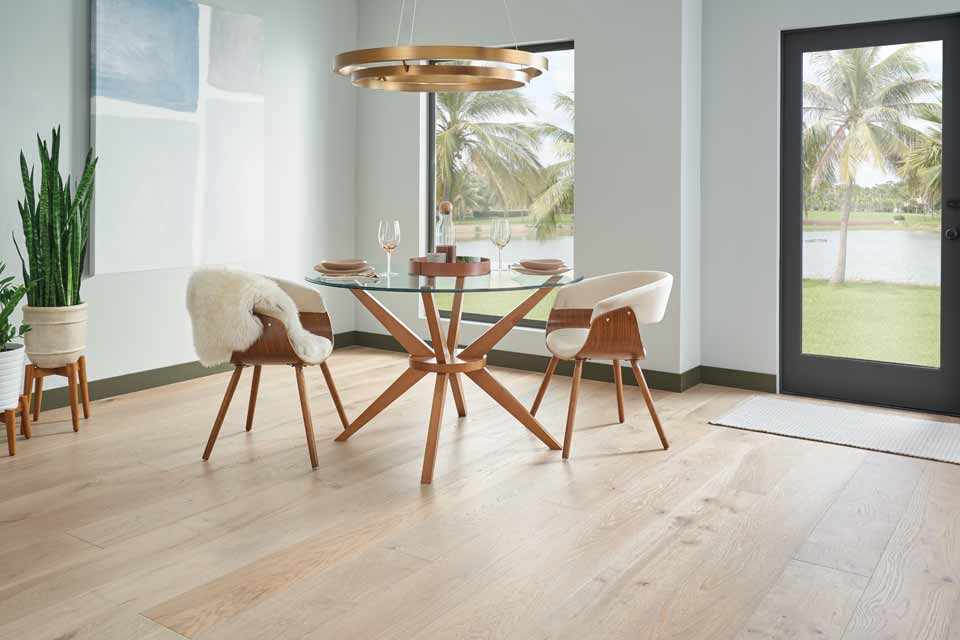
There’s a reason driftwood oak flooring keeps turning up in interior design mood boards and showroom floors alike. That soft, weathered grey-beige tone — reminiscent of timber that’s spent years being washed by salt water and sun — brings a relaxed, breezy quality to a home that few other flooring finishes can match. Whether you’re renovating a coastal cottage or simply want to bring a calmer, more natural palette into an urban apartment, driftwood oak flooring offers a versatile foundation to build a room around.
What Makes Driftwood Oak Flooring Distinctive
Unlike traditional honey-toned or deep walnut floors, driftwood oak flooring is characterised by muted, desaturated tones — often a blend of grey, taupe, and faded brown. The finish typically preserves the natural grain and texture of oak, sometimes enhanced with wire-brushing or hand-scraping techniques that mimic the worn, sun-bleached look of timber found on a beach. This gives each plank a slightly irregular, lived-in character rather than a uniform, polished appearance.
The beauty of this look lies in its neutrality. It’s warmer than a stark grey floor but cooler than classic oak, which makes it an unusually flexible backdrop for a wide range of design styles — not just coastal ones.
Styling Tips for Driftwood Oak Flooring
Lean Into a Coastal Palette
If you want the full seaside effect, pair driftwood oak flooring with a palette of whites, soft blues, sandy neutrals, and touches of sea-glass green. Linen curtains, woven jute rugs, and rattan furniture all complement the textured, organic quality of the wood without competing with it.
Balance Cool Tones with Warm Accents
Because driftwood tones can lean cool or grey, it helps to introduce warmth elsewhere in the room. Brass or brushed-gold fixtures, warm wood furniture in walnut or teak, and soft amber lighting prevent the space from feeling flat or cold.
Use Texture to Add Depth
Driftwood oak flooring pairs beautifully with tactile materials — think bouclé upholstery, linen throws, rattan pendant lights, and woven baskets. Layering natural textures echoes the organic, weathered quality of the floor itself and keeps the room from feeling sterile.
Don’t Be Afraid of Contrast
While it suits soft, muted schemes, driftwood oak flooring also works well as a grounding neutral for bolder choices — deep navy cabinetry, black matte hardware, or a statement piece of dark furniture can all stand out beautifully against its light, textured backdrop.
Keep Walls Simple
Because the flooring itself carries visual texture and tonal variation, it often looks best against relatively simple wall treatments — whites, soft greiges, or gentle pastels. This lets the floor remain a focal point without visual competition.
Where It Works Best
Driftwood oak flooring suits a wide range of spaces, from open-plan living and dining areas to bedrooms and even bathrooms (with the right waterproof or engineered options). It’s particularly popular in homes aiming for a relaxed, “Hamptons-style” or Scandi-coastal aesthetic, but its neutral undertones mean it also integrates well into modern farmhouse, minimalist, and transitional interiors.
Final Thoughts
Driftwood oak flooring offers something increasingly rare in interior trends: a look that feels both current and timeless. Its soft, weathered tones bring warmth and texture without overwhelming a space, making it an easy foundation to style around — whether your taste runs coastal, minimalist, or somewhere in between. If you’re drawn to natural materials and a calmer, more organic colour story, driftwood oak flooring is well worth considering for your next renovation.
