
Human resources has changed significantly as businesses increasingly rely on technology to manage employees, recruitment, performance and workplace information. Traditional HR responsibilities such as maintaining employee records and coordinating recruitment are now supported by digital platforms, automation and data analytics.
As a result, HR interns are expected to develop more than basic administrative skills. Employers increasingly value candidates who understand HR software, applicant tracking systems, employee management platforms, spreadsheets and reporting tools.
For students and graduates entering the HR profession, gaining practical experience with these technologies can provide a useful advantage. Understanding how digital tools support everyday HR operations can also make it easier to transition from academic learning into a professional workplace.
Why Technology Skills Matter in Modern HR Roles
Technology helps HR teams manage large amounts of employee information, streamline administrative processes and make more informed workforce decisions.
Businesses use digital systems to manage recruitment, onboarding, attendance, payroll, employee engagement and performance reviews. These platforms can reduce repetitive administrative work and improve access to important information.
For aspiring HR professionals, understanding these systems is becoming an important part of workplace preparation.
Students considering hr internships should look for opportunities to develop practical knowledge of digital HR platforms alongside traditional HR responsibilities. HR technology skills gained through HR internships can help students understand how businesses manage employee information, recruitment activities and workforce reporting in real working environments.
1. Human Resource Information Systems (HRIS)
A Human Resource Information System (HRIS) is one of the most important technology platforms used by HR departments.
It helps businesses store and manage employee information in a centralised system. Instead of maintaining multiple spreadsheets and paper records, HR teams can use an HRIS to access and update employee details.
Common HRIS functions include:
- Employee personal information.
- Employment history and job details.
- Leave and attendance records.
- Employee documentation.
- Organisational structures.
- HR reporting and workforce information.
Interns may assist with updating employee records, checking information accuracy and organising documentation under appropriate supervision.
Understanding how an HRIS works helps interns become familiar with digital employee record management and everyday HR administration.
2. Applicant Tracking Systems (ATS)
Recruitment is another HR function that relies heavily on technology. Applicant Tracking Systems help organisations manage job applications and recruitment activities.
An ATS allows recruitment teams to organise candidate information, monitor applications and coordinate different stages of the hiring process.
Common features include:
- Job vacancy management.
- Candidate profile creation.
- Resume collection and storage.
- Application status tracking.
- Interview scheduling.
- Recruitment reporting.
HR interns may use these systems to organise candidate applications, update recruitment records and assist with interview coordination.
Learning how an ATS works can help interns understand recruitment workflows and how technology supports hiring decisions.
3. Microsoft Excel and Google Sheets
Spreadsheets remain essential tools for HR professionals. Even businesses using advanced HR platforms often rely on Excel or Google Sheets for reporting, calculations and data organisation.
HR interns may use spreadsheets for:
- Employee attendance tracking.
- Recruitment progress reports.
- Training records.
- Employee information management.
- Leave tracking.
- Workforce summaries.
Some useful spreadsheet skills include sorting, filtering, conditional formatting, data validation and basic formulas.
Interns who understand functions such as SUM, COUNTIF, IF and VLOOKUP or XLOOKUP can organise HR information more efficiently.
These skills are particularly useful when preparing reports or reviewing workforce information.
4. Payroll and Attendance Management Software
Payroll and attendance systems help businesses manage employee working hours, leave records and salary-related information.
These platforms can support several administrative activities, including:
- Recording employee attendance.
- Monitoring working hours.
- Managing leave requests.
- Preparing payroll information.
- Tracking overtime.
- Maintaining relevant employee records.
HR interns may assist with checking attendance information or organising supporting documents. However, payroll calculations and sensitive employee information should only be handled within the responsibilities and access permissions provided by the organisation.
Understanding these systems gives interns an overview of how HR administration connects with payroll and workforce management.
5. Learning Management Systems (LMS)
Learning Management Systems are used to organise employee training and professional development.
Businesses use these platforms to provide learning materials, assign training programmes and monitor employee progress.
Common LMS functions include:
- Online training courses.
- Employee learning records.
- Training completion reports.
- Assessment management.
- Professional development resources.
- Compliance training tracking.
HR interns may help coordinate training sessions, upload learning materials and monitor course completion.
This experience can provide insight into how organisations manage employee development and identify training requirements.
6. Performance Management and Employee Engagement Tools
Performance management platforms help businesses organise employee reviews, feedback and development objectives.
Instead of relying entirely on manual review documents, organisations can use digital systems to record goals, schedule assessments and monitor progress.
Typical functions include:
- Employee goal setting.
- Performance review scheduling.
- Manager feedback.
- Development planning.
- Employee surveys.
- Engagement reporting.
HR interns may assist with preparing review schedules, organising documentation and compiling feedback information.
These tools also help HR teams understand employee engagement and identify areas where workplace support may be needed.
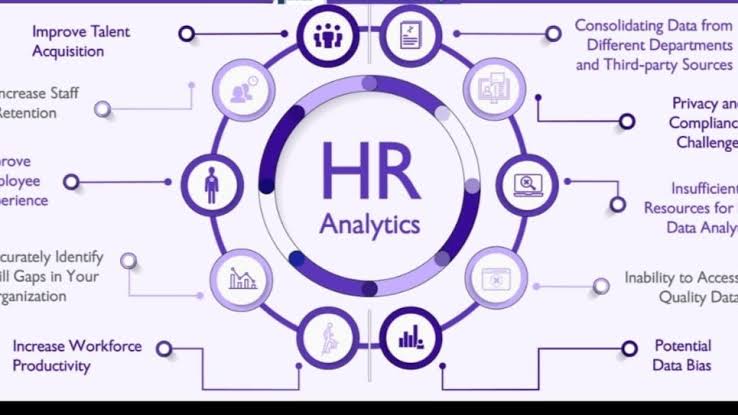
7. HR Analytics and Workforce Reporting
HR analytics involves using employee and workforce information to identify patterns and support business decisions.
Companies increasingly use data to understand recruitment performance, employee retention, absenteeism, training participation and workforce planning.
Some common HR metrics include:
- Employee turnover rate.
- Time to hire.
- Absenteeism rate.
- Employee retention.
- Training completion rate.
- Recruitment conversion rate.
For example, an HR team may review recruitment data to understand how long it takes to fill different positions. Similarly, employee turnover information may help identify departments where retention needs further attention.
Interns should learn how to organise data, identify basic trends and present information accurately.
The goal is not simply to create charts but to understand what the information communicates and how it may support HR decisions.
8. Communication and Collaboration Platforms
HR teams regularly communicate with employees, managers, recruitment candidates and other departments.
Digital collaboration platforms help coordinate meetings, share documents and manage everyday workplace communication.
Common tools include:
- Microsoft Teams.
- Microsoft Outlook.
- Google Workspace.
- Slack.
- Zoom.
HR interns may use these platforms to schedule interviews, coordinate induction sessions, share approved documents and communicate with team members.
Professional communication is particularly important when handling recruitment information and employee-related matters.
9. Artificial Intelligence in HR
Artificial intelligence is becoming increasingly relevant to HR operations. Businesses are exploring AI-supported tools to assist with administrative tasks, recruitment workflows, workforce reporting and employee communication.
Possible applications include:
- Drafting job descriptions.
- Preparing interview questions.
- Summarising HR documents.
- Organising recruitment information.
- Supporting employee training content.
- Identifying patterns in workforce data.
However, AI-generated information should always be reviewed by a responsible person. Recruitment and employment decisions require human judgement, fairness and consideration of relevant employment obligations.
Interns should also understand confidentiality requirements and avoid entering sensitive employee or candidate information into unauthorised AI tools.
10. Data Privacy and HR Information Security
HR professionals work with confidential information, including employee contact details, employment records, salary information and recruitment documents.
Understanding data privacy is therefore an essential technology skill.
Interns should become familiar with:
- Secure document storage.
- Password protection.
- Access permissions.
- Confidential information handling.
- Safe file sharing.
- Data accuracy.
- Workplace privacy policies.
In Australia, businesses must also consider their obligations under applicable privacy legislation, including the Privacy Act 1988 where relevant.
Interns should only access information required for their assigned responsibilities and follow their organisation’s security procedures.
How HR Interns Can Develop Practical Technology Skills
Understanding HR technology requires more than knowing the names of different platforms. Interns should look for opportunities to use relevant tools under appropriate supervision.
A practical learning approach includes:
- Learn the basic functions of common HR platforms.
- Practise spreadsheet formulas and data organisation.
- Understand recruitment workflows using an ATS.
- Explore employee record management processes.
- Learn how HR reports are prepared.
- Develop professional communication skills using collaboration tools.
- Understand confidentiality and data protection requirements.
- Practise interpreting basic workforce metrics.
Interns can also create sample recruitment trackers, employee onboarding checklists and training reports using fictional information to build confidence without accessing confidential business records.
Preparing for the Future of HR Technology
Digital systems are becoming an important part of everyday human resource management. HR professionals are expected to understand how technology supports recruitment, employee administration, performance management, learning and workforce analytics.
For students preparing to enter the profession, developing familiarity with HRIS platforms, applicant tracking systems, spreadsheets, payroll software and reporting tools can provide a valuable foundation.
Practical exposure through training and workplace experience can also help interns understand how these tools connect with real HR responsibilities.
Ultimately, successful HR professionals need a combination of technical knowledge, communication skills, confidentiality awareness and sound judgement. Learning to use technology effectively can help aspiring HR professionals become more confident and prepared for modern workplace responsibilities.