
By XnY Health Writer
We live in an era of optimization. We track our sleep, we optimize our diets, we hack our productivity, and we schedule our downtime. Yet, despite being the most “connected” generation in history, a strange paradox is occurring in our homes: couples are drifting apart, not because of conflict, but because of exhaustion.
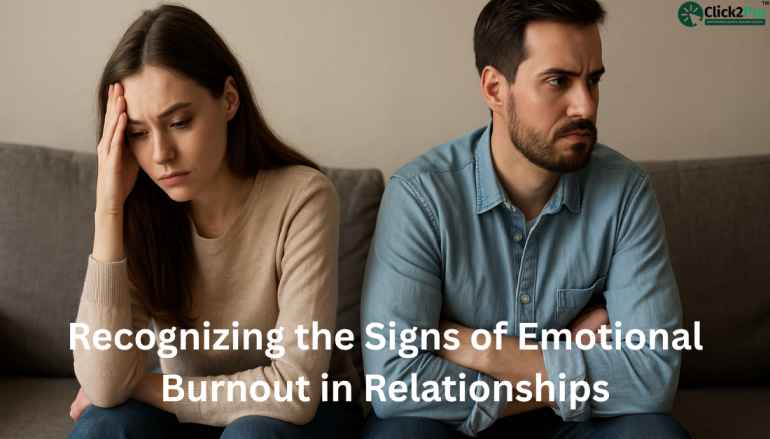
It is a phenomenon psychologists are calling “The Roommate Phase.” You share a mortgage, a Netflix account, and perhaps children, but the spark of vitality—that deep, energetic connection that brought you together—has been smothered by the sheer weight of modern stress.
If you feel like you and your partner are operating on autopilot, you are not alone. And more importantly, it is not a sign that your relationship is failing; it is a sign that your nervous systems are overloaded.
In this guide, we will explore the biological and psychological impact of chronic stress on relationship intimacy, and offer a roadmap to reclaiming your connection in a high-pressure world.
The Biology of Disconnection: Cortisol vs. Connection
To understand why modern couples are struggling to maintain physical and emotional intimacy, we have to look at the body’s “operating system.”
The human nervous system has two primary modes:
- The Sympathetic Nervous System: This is your “Fight or Flight” mode. It is designed for survival. When you are stressed about a deadline, worried about finances, or stuck in traffic, this system floods your body with cortisol and adrenaline.
- The Parasympathetic Nervous System: This is your “Rest and Digest” mode. It is the state required for relaxation, digestion, and crucially—intimacy.
Here lies the problem: You cannot be in both states at the same time.
Evolutionarily, if you were running from a predator, your body would shut down non-essential functions. Digestion stops. The immune system slows. And the drive for physical connection (libido) completely evaporates. Your body says, “We are trying to survive right now; we don’t have time to bond.”
In the modern world, we aren’t running from predators, but our bodies react to emails and notifications as if we are. When you bring that chronic, low-level stress home with you, you are physiologically incapable of true intimacy. You might be physically present on the couch, but your biology is still in “survival mode.”
The “Touch Starvation” Epidemic
One of the first casualties of this stress cycle is non-sexual touch.
In the early stages of a relationship, couples touch constantly—holding hands, brushing shoulders, sitting close. This triggers the release of Oxytocin, often called the “Love Hormone.” Oxytocin is the chemical antidote to cortisol. It lowers blood pressure, reduces anxiety, and fosters a sense of safety.
However, as the “Roommate Phase” sets in, touch becomes utilitarian. A quick peck on the cheek before work. A nudge to move over in bed.
Without regular physical contact, the “bond” weakens. This creates a feedback loop:
- High stress leads to less touch.
- Less touch leads to lower oxytocin.
- Lower oxytocin makes you feel more isolated and stressed.
Breaking this cycle doesn’t require a grand romantic getaway. It requires “Micro-Moments of Connection.” Research suggests that a simple 20-second hug is enough to trigger an oxytocin release that lowers stress levels for both partners. It is a biological reset button that tells your nervous system: “You are safe. You are home.”
The Communication Gap: “Admin” vs. “Affection”
Analyze the last ten text messages you sent your partner.
- “Did you pay the electricity bill?”
- “What do we want for dinner?”
- “Don’t forget to pick up the kids.”
This is “Transactional Communication.” It is necessary for running a household, but it is fatal for romance if it becomes the only way you communicate.
When conversations become purely logistical, partners stop seeing each other as lovers and start seeing each other as co-managers of a small business called “Life Inc.”
To pivot back to connection, couples need to intentionally carve out space for “Curiosity Conversations.” These are discussions that have no logistical goal. They are simply about understanding the other person’s internal world.
- “What is the most interesting thing you read this week?”
- “How are you actually feeling about that project at work?”
It sounds simple, but shifting from “Admin” back to “Affection” signals to your partner that you see them as a person, not just a function of your daily routine.
Why Men and Women Process Stress Differently
A major source of friction in relationships is the difference in how partners decompress.
Generally speaking (though not always), men tend to “compartmentalize” stress. When they are overwhelmed, they may withdraw into silence or distraction (video games, scrolling social media) to recharge. They are trying to turn their brain off.
Women, conversely, often process stress through “diffuse awareness.” Their brains may keep looping through the “To-Do” list, the emotional needs of the family, and household tasks. They often seek connection or verbal processing to recharge. They are trying to get the thoughts out.
This mismatch leads to the classic conflict: One partner feels ignored (“He just shuts down!”), while the other feels overwhelmed (“She won’t let me relax!”).
Understanding that withdrawal is not rejection and venting is not complaining is critical. It allows couples to give each other the right kind of space without taking the other person’s coping mechanism personally.
The Role of Digital Health in Modern Relationships
Sometimes, the gap between partners is too wide to bridge with just a date night or a conversation.
Issues like chronic performance anxiety, deep-seated emotional withdrawal, or physical intimacy struggles often require an external perspective. In the past, this meant finding a therapist, driving to a clinic, and enduring the “awkward waiting room.”
Today, the wellness industry has evolved. We are seeing a massive rise in holistic digital health platforms that cater specifically to couples’ wellness and men’s vitality.
These platforms allow individuals to consult with wellness experts and counselors from the privacy of their own homes. This “Telehealth for Lifestyle” approach removes the stigma and the logistical friction of seeking help.
Whether it is addressing the physical symptoms of stress (like fatigue or low vitality) or the psychological barriers to connection, accessing professional guidance has never been easier. It is no longer about “fixing what is broken”; it is about “optimizing what you have.” Just as you might hire a personal trainer for your physical fitness, engaging with a wellness expert is an investment in your relational fitness.
Actionable Steps to Reclaim Your Connection
If you want to move out of the “Roommate Phase,” start with these three scientifically backed strategies:
1. The “Transition Ritual”
Create a buffer zone between work and home. Before you walk through the door (or leave your home office), take 10 minutes to reset. Listen to music, take a walk, or do breathing exercises. Do not bring the cortisol of the workday into the sanctuary of your relationship.
2. The “No-Phone Zone”
Phubbing (Phone Snubbing) is a relationship killer. Designate the bedroom or the dinner table as a device-free zone. Eye contact is a powerful biological signal of attention. When you look at your partner instead of a screen, you validate their importance.
3. Prioritize “Play”
Stress makes us serious. Relationships thrive on playfulness. Do something new together—cook a complex meal, play a board game, or take a dance class. Novelty floods the brain with dopamine, which mimics the chemical feeling of falling in love all over again.
Conclusion: Intimacy is a Health Metric
We need to stop viewing our relationship health as a luxury or a “nice to have.”
The quality of your close relationships is the single strongest predictor of long-term physical health and happiness—more than genetics, IQ, or wealth. Living in a state of disconnection and “roommate syndrome” is a chronic stressor that degrades your immune system and your mental well-being.
Reclaiming your connection requires intention. It requires acknowledging the stress, understanding the biology of burnout, and being brave enough to prioritize your partnership over your productivity.
In a world that demands you go faster, the most radical thing you can do for your health is to slow down and reconnect with the person beside you.