
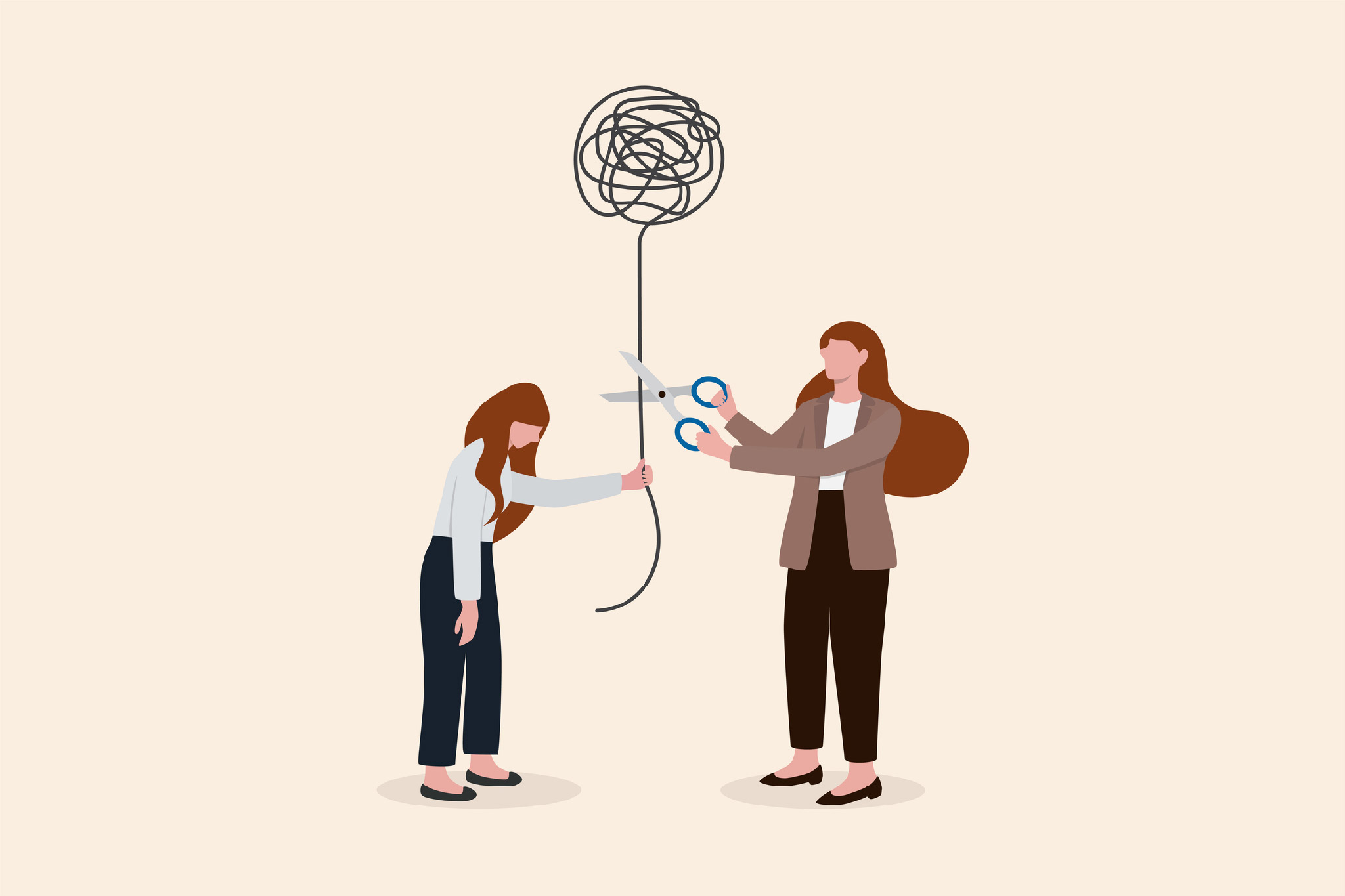
Daily life may become daunting when one is anxious. It influences the mind, emotions, and even health. Fortunately, CBT for Anxiety is one of the most effective and widely used treatments available today. The reason why many people adopt this method is that it is practical, structured, and results-oriented in the long term.
The time required to undergo treatment is one of the most frequently asked questions. This will be determined by several factors, such as symptom severity, self-objectives, and interest in the therapeutic process. Nevertheless, the awareness of the rough time frame may assist in minimizing the unpredictability and inspiring people to embark on their healing process with the ability to do it independently.
Understanding CBT for Anxiety
Cognitive behavioral therapy is concerned with the relationship between behaviors, feelings, and thoughts. Negative thought patterns in a person tend to form a fear and avoidance cycle when the person is anxious. CBT is a method that can be used to make people understand these patterns and change them with healthier thinking.
This is a goal-oriented and practical approach. It does not just dwell in the past, but teaches some practical skills that can be applied in our daily lives. Consequently, people get to learn how to cope with stress, confront irrational fears, and react to the instigators in more healthy ways.
Since CBT focuses on active engagement, the process of improvement usually requires the degree of consistency with which an individual applies the techniques acquired during the therapy.
The Effectiveness of CBT in Anxiety
CBT has been widely researched and is regarded as a first-line treatment for most of the anxiety disorders. It is efficient in that it tries to treat the causes of anxiety thinking as opposed to symptoms alone.
During the structured sessions, people can learn how to detect distorted thinking and slowly approach anxiety situations in a safe and conducive environment. This minimizes avoidance behaviors, and confidence is developed in the long run.
The other fact that makes CBT an effective intervention is that it gives a tangible improvement. Patients are able to monitor the progress in the way they think, how they feel, and how they operate in their day-to-day activities. This feeling of improvement usually enhances inspiration and optimism.
Typical Duration of CBT for Anxiety
CBT can be short-term and medium-term in nature, though the majority of treatment programs are short-term. Some people come to the meetings weekly for several weeks or months, depending on their requirements.
In minor anxiety, there are those individuals who may improve within a few sessions. They start realizing their ways of thinking and implementing coping mechanisms in the shortest time possible. When they practice these skills, they become confident, and their symptoms will be lowered.
In case of moderate anxiety, the treatment can last a couple of months. Within this period, people strive towards recognizing triggers, disputing negative thoughts, and gradually encountering dreadful scenarios. Progress has a tendency to accumulate gradually, with new patterns taking the place of the old ones.
In case of severe or chronic anxiety, the therapy can be prolonged. But the long timeline gives people time to work on deeper fears as well as develop powerful coping mechanisms that can sustain long-term recovery.
Despite the fluctuation in timelines, a large number of people are relieved at the early stages of the program, and this makes them remain dedicated to the treatment.
The influencing factors of treatment length
The duration of CBT to generate long-term outcomes is affected by various factors. The severity of symptoms is one of the factors. Patients with crippling or chronic anxiety might require a longer period to unlearn their highly entrenched ways of thinking.
Also, a significant role is played by consistency. Attendees of regular sessions who practice in between sessions tend to record quicker progress. Assignment homework, e.g., journaling, exposure work, etc., consolidate the therapeutic learned skills.
The other reason is the co-occurring conditions. Anxiety treatment may be complicated by depression, trauma, or substance use and may need extra help. CBT can be modified to deal with several issues simultaneously, however.
There is also personal motivation and willingness to change, which affects the results. People who participate in the process of therapy and are willing to share a new worldview usually experience significant changes in a shorter period of time.
Expectations in CBT Sessions
Knowledge of the therapeutic process may help to alleviate anxiety and make people better prepared. CBT is a collaborative and structured session. The therapist and the client collaborate in setting up goals and measuring progress.
The initial sessions are aimed at defining the triggers and learning about the role of thoughts in shaping emotions and behaviors. People get trained to notice the patterns that cause anxiety and start performing some coping techniques.
Exposure exercises can be provided as the therapy continues. These are exercises that aid a person to step in a step-by-step manner to confront feared situations in a careful and supportive manner. With time, the brain gets used to the fact that those are not as harmful as it previously thought.
Subsequent sessions are aimed at strengthening new skills and avoiding relapse. People create their own plans on how to cope with the stressors in the future and remain on the track of improvement.
Signs That CBT Is Working
The question that many of them ask is how they will determine whether therapy is succeeding or not. The improvement may be slow, but there are several indicators of progress.
Patients tend to feel that they are less anxious every day and have less physical discomfort, such as tension or irritability. They can become more assertive in managing stressful conditions and less prone to evading stress.
The other good indicator is heightened self-awareness. Individuals learn to become aware of adverse transitions and replace them with level-headed stances. Subsequently, emotional responses are more controlled.
Better relationships and everyday life are other indicators that therapy is being effective. By no longer being dictated by anxiety in decisions, people will be able to concentrate on their personal development and other meaningful activities.
Is CBT Long-Term Relieving?
CBT aims at bringing permanent change. Counseling-based CBT contrasts with methods that only offer short-term solutions, as individuals can learn effective skills that they apply for a lifetime.
Since people get to understand how they find anxious thoughts and dispute them, they become less susceptible to anxiety cycles in the future. These skills, even when the therapy is terminated, still aid emotional well-being.
Booster sessions can be used to reinforce progress during stressful times. Nevertheless, many people continue to maintain their gains through the consistent application of CBT for Anxiety methods in their everyday lives.
CBT-Other Therapies Combinations
Although the high efficiency of CBT is a highly effective treatment option, others respond positively to a combination method. In some cases, medication can be prescribed to alleviate serious symptoms and enable people to become more active in the treatment process.
Mindfulness, workouts, and sleep that are healthy can also be considered as holistic practices that can aid in recovery. Such changes in lifestyle make people more emotionally resilient and increase the positive effects of therapy.
With the help of several types of support, people can develop a holistic strategy that would facilitate mental health in the long term.
Addressing Barriers to CBT
There is a certain group of people who do not want to start therapy since they are afraid that it will be too long or that they will have to work on their feelings. Nevertheless, CBT is organized, accommodating, and aims at realistic goals.
The therapists take things step by step, making exposure exercises and conversations manageable. Breakthrough can be difficult sometimes, yet every step will create confidence and strength.
The other issue is the question of whether the therapy will be effective. Although the path of each person is their own, CBT managed to assist millions of people to get less anxious and start to live their lives again.
The First Step toward Recovery
Beginning treatment can be a daunting task, but it is a potent process of recovering—dates: CBT can be used to know what to expect and minimize uncertainty.
Through repeated effort, a significant number of people record a positive change in a matter of a few months. More to the point, they will acquire lifelong skills that will help them to maintain emotional stability and resilience.
In case anxiety is disrupting everyday life, it is time to seek professional help and open the door to the world of permanent relief. Compassionate care and evidence-based practices are welcome at Los Angeles Mental Health to support people in taking a step towards a brighter future with confidence and hope.