
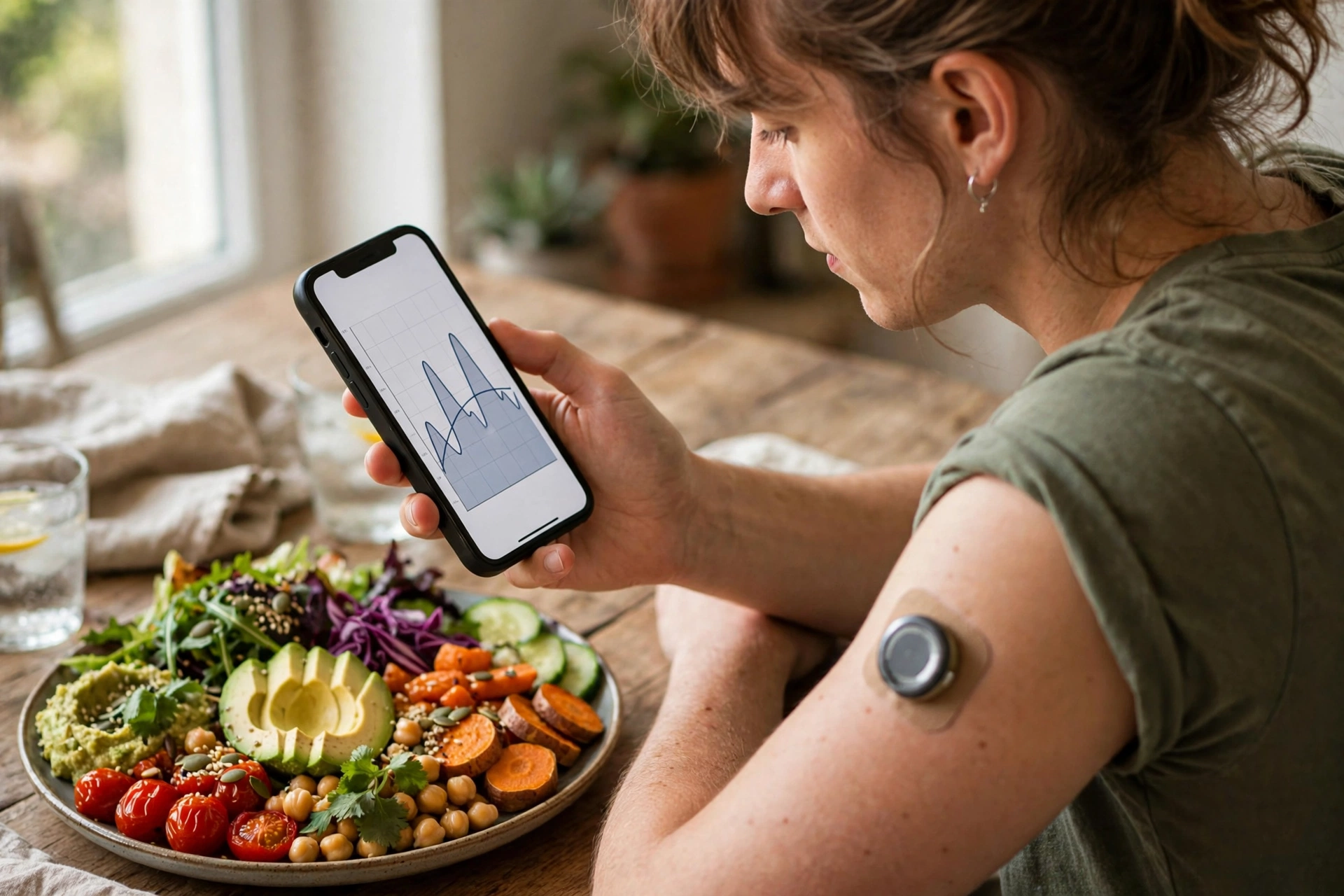
For people living with type 2 diabetes, blood sugar management has traditionally meant finger-prick tests: a few snapshots a day, with long blind stretches in between. Continuous glucose monitors (CGMs) replace those snapshots with a live feed, and the strongest evidence yet now supports using them well beyond insulin users. In the largest clinical trial of its kind, published in the New England Journal of Medicine, adults with type 2 diabetes who do not use insulin spent approximately five more hours a day in their target blood sugar range when they used a CGM.
What the largest trial of its kind found
The trial, reported by the University of Colorado Anschutz Medical Campus, focused on a group that has often been left out of CGM research: adults managing type 2 diabetes without insulin. That matters, because this group makes up the majority of people with the condition, yet glucose monitoring technology has usually been studied — and funded — mainly for people on intensive insulin therapy.
The headline result was the time-in-range improvement: roughly five additional hours per day spent within target glucose levels. Time in range is increasingly treated as one of the most meaningful measures in diabetes care, because it reflects real daily life — meals, sleep, stress and activity — rather than a single laboratory average. Five extra hours a day compounds quickly: across a week, that is more than a full extra day spent in a healthier glucose range.
Why a live feed changes behaviour
A CGM is a small sensor, usually worn on the arm or abdomen, that reads glucose from the fluid under the skin every few minutes and sends the results to a phone or reader. The technology’s power is not the sensor itself but the feedback loop it creates. A finger-prick test tells you where your glucose is; a CGM shows you where it is heading, how fast, and — crucially — what your last meal, walk or poor night of sleep did to it.
That visibility turns abstract advice into personal data. People can see, in real time, that a short walk after lunch flattens a spike, or that a particular breakfast sends glucose soaring for hours. Clinicians say this kind of immediate, personalised feedback is far more motivating than general guidance, and it helps explain why the trial group sustained better control rather than simply measuring more.
What CGMs can teach you about food
For readers eating a plant-based diet, CGM data often challenges assumptions in useful ways. Whole plant foods generally produce gentler glucose rises, but individual responses vary widely: the same bowl of oats can affect two people very differently. A few weeks of monitoring can reveal your personal responses to staples like rice, lentils, fruit and bread far better than any generic chart.
That personal picture works best alongside solid nutritional foundations — the same planning covered in our guide to iron, B12 and omega-3 for vegans — and an understanding of how fibre and fermented foods support metabolic health, which we explore in our article on gut health and the microbiome. The sensor shows the effect; good nutrition provides the levers to change it.
The limits and costs to consider
CGMs are not for everyone, and the trial results should not be read as an instruction to buy one tomorrow. Sensors are consumables that need replacing every 10 to 15 days, so costs add up, and coverage varies widely by country and insurer — although evidence like this trial is exactly what tends to widen coverage over time. Readings can also lag behind blood glucose during rapid changes, and some people find constant data stressful rather than empowering.
Anyone considering a CGM should discuss it with their diabetes care team, particularly if they take medication that can cause low blood sugar. The trial supports the technology as a tool within proper care, not a substitute for it.
The bottom line
Five more hours a day in target range is a substantial gain for a group that has historically been offered the fewest monitoring tools. As the evidence grows, continuous glucose monitoring looks less like a gadget for insulin users and more like standard equipment for type 2 diabetes care — and a powerful teacher for anyone who wants to understand what their food really does.
