
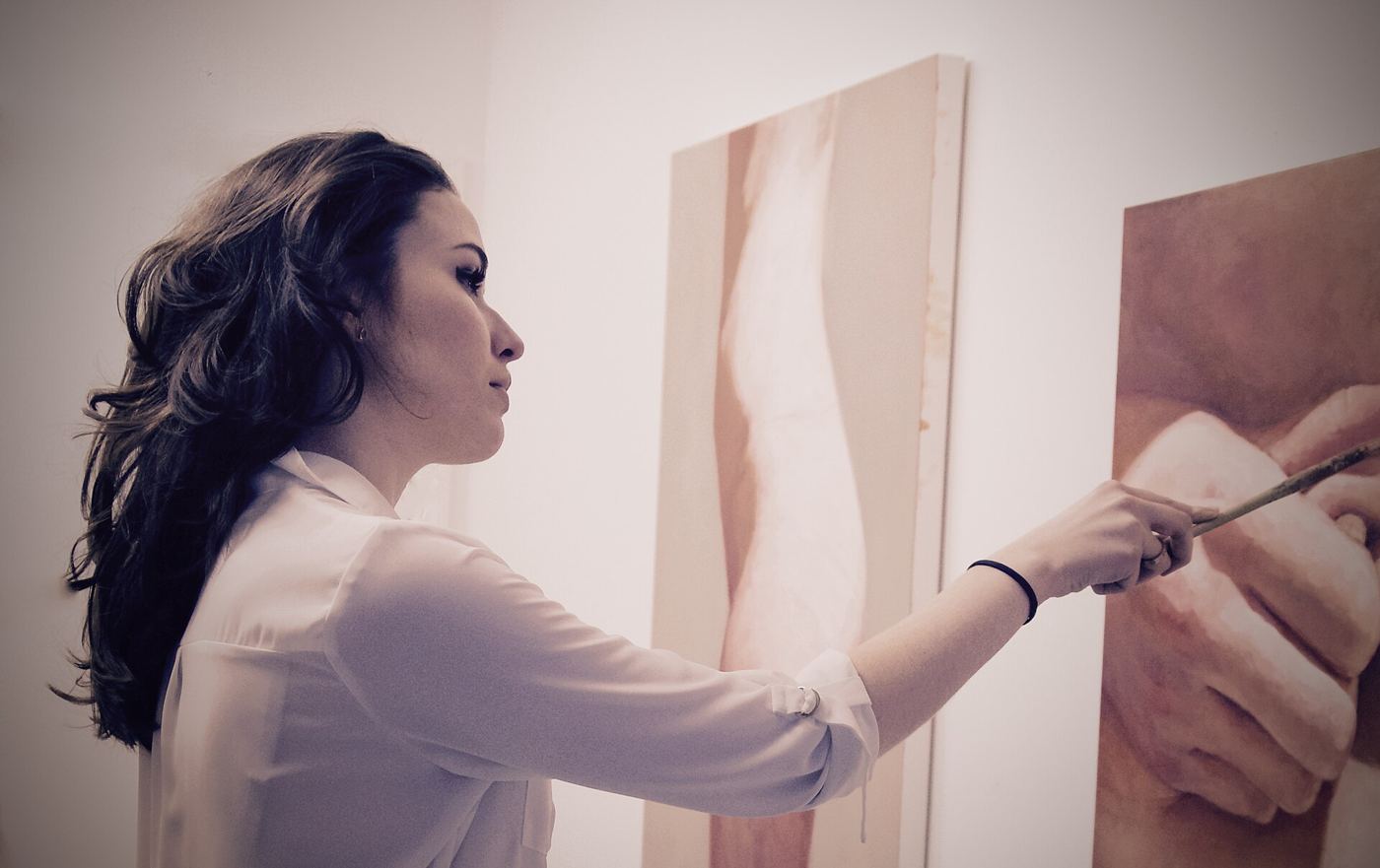
There is a state of mind in which work feels effortless, time slips away and attention locks completely onto the task. Psychologist Mihaly Csikszentmihalyi called it flow, and after decades of research it remains one of the most studied ideas in positive psychology. Flow appears when a challenge is well matched to a person’s skill: too easy, and boredom sets in; too hard, and anxiety takes over. In the balance between the two, people report deep concentration, a sense of control and genuine enjoyment, whether they are painting, coding, playing sport or solving a problem at work. Csikszentmihalyi first described flow after interviewing artists, athletes, surgeons and chess players, all of whom spoke of moments when their work absorbed them completely and self-consciousness fell away. He found the same pattern across very different activities, which suggested that flow is a universal human experience rather than something limited to a particular talent or profession.
What the Evidence Shows
Flow is not an accident, and it can be cultivated. Clear goals, immediate feedback and the removal of distractions all make it more likely, which is why musicians practise in quiet rooms and athletes follow strict routines before competition. Workplaces that protect uninterrupted time and give employees tasks that stretch them without overwhelming them tend to see more flow and better results. The experience also explains why some of the most satisfying days at work are not the easiest ones. A task that demands our full ability, and rewards it, can feel less like effort and more like play. The state is fragile, and a single interruption, such as a phone notification or a noisy office, can break it, which is why people who want more flow often guard their time and silence their devices. Regular practice also helps, because skills grow with use, and challenges that once felt overwhelming gradually produce the deepest concentration. Reporting and analysis from sources such as American Psychological Association track the same developments, and specialists following the flow state at work say the direction is now consistent across independent lines of evidence.
The Wider Context
The wider context is a discipline rebuilding confidence through replication and pre-registration, and findings on the flow state at work are being reported with their effect sizes and limits attached. That honesty can make results sound smaller than the headlines of a decade ago, but the effects that survive are the ones practitioners can responsibly build on.
What Happens Next
What happens next in research on the flow state at work is a turn toward real-world trials: longer, larger and conducted in the schools, workplaces and clinics where the findings are meant to apply. Psychologists are also studying individual differences more seriously, because average effects conceal the people for whom an approach works powerfully and those it leaves cold. Both shifts make the science slower and more useful. You can follow related developments in our coverage of psychology.
There is a practical lesson in all of this for readers deciding what to do today. Start with the verified facts, be wary of anyone promising certainty, and prefer reversible steps while the evidence is still developing. Circumstances differ by country, income and personal situation, so general guidance should always be weighed against your own context before you act on it in any significant or lasting way.
