
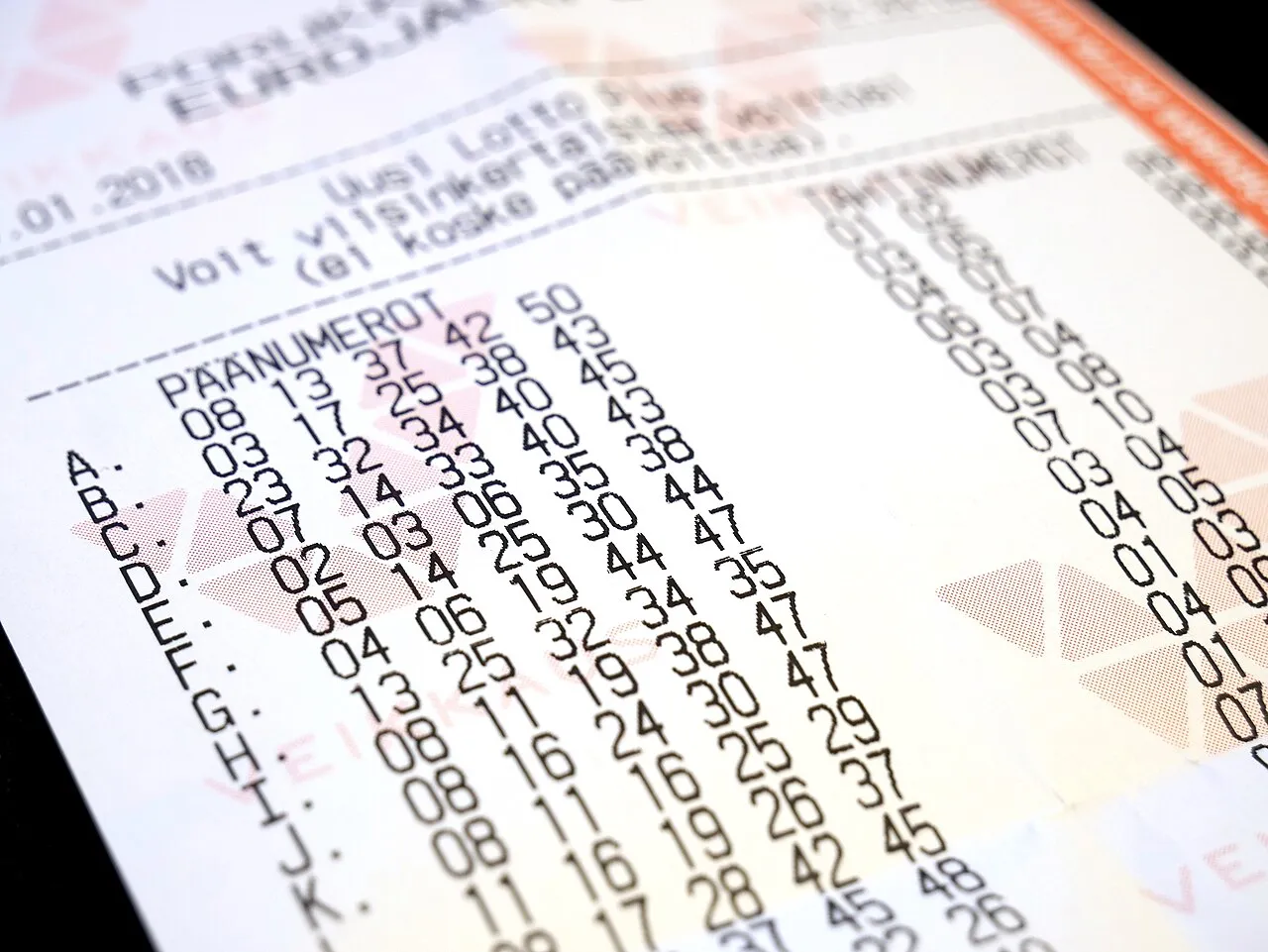
The number on the billboard said $562 million. If one ticket matched all six numbers in Wednesday, October 14’s Powerball draw, the winner is entitled to feel rich. But between the headline and the bank account stands a queue of other claimants, and the largest of them is the tax authority. Understanding that queue is the difference between the fantasy and the reality of a giant win.
First, the prize shrinks by design
The advertised jackpot is the annuity value: 30 payments over 29 years, rising 5 per cent annually. The alternative, chosen by most winners, is the cash option, the actual contents of the prize pool, usually a little over half the advertised figure for a run like this one. Neither amount is what anyone keeps, because both are quoted before tax. Full draw details and prize breakdowns are posted at powerball.com after every draw, including Saturday, October 17’s follow-up.
Federal tax: the 24 per cent down payment
Lottery winnings are ordinary income in the United States, and the payer withholds 24 per cent for federal tax before the winner sees anything. That withholding is only a down payment. A prize of this size lands entirely in the top federal income tax bracket of 37 per cent, so a substantial additional sum comes due when the winner files. Tax advisers who specialise in lottery winners say the single most common early mistake is spending as if the withholding were the whole bill.
State tax: it depends where the ticket was bought
States treat lottery winnings very differently. A handful impose no state income tax on prizes at all, others exempt their own lottery’s winnings, and some tax them at rates approaching double digits. Where you bought the ticket, and in some cases where you live, can therefore change the final keep by tens of millions of dollars on a jackpot this size. The odds of winning, for the record, never change: 1 in 292.2 million for the jackpot, roughly 1 in 25 for any prize.
Why the annuity-versus-cash debate is really a tax debate
Taking the annuity spreads income across 30 tax years, which can be efficient and imposes useful discipline. Taking cash concentrates the entire tax bill into year one, but gives the winner control and the chance to invest. There is no universal right answer, which is why every credible adviser gives the same first instruction: assemble a team, a tax lawyer, a certified accountant and a fiduciary financial planner, before claiming. Winners who skip that step fund the cautionary tales.
The bills nobody photographs
Tax is only the first quiet deduction from the fantasy. Winners who buy property face property taxes and upkeep on a new scale. Gifts to family can trigger reporting requirements and, above generous annual thresholds, gift tax considerations. Financial advisers also budget for the unglamorous essentials the cameras never cover: estate planning, wills rewritten for a fortune, insurance, and security. None of this makes a jackpot win anything less than life-changing; winners keep, by any ordinary standard, an enormous sum. But the distance between $562 million on a billboard and the sustainable wealth a winner actually commands is measured in exactly these unphotogenic line items, and planning for them early is what separates the winners who stay winners from the rest.
We usually write about everyday choices and what research really shows, the same spirit in which we reported that students back phone bans after living with them. A jackpot win is the least everyday choice imaginable, but the principle holds: read the numbers behind the headline before you make a decision you cannot undo.
