
Another week, another rise: US measles cases grew 8 percent to a total of 4,410 in the latest reporting period. Public health specialists are careful to put the number in context. Measles is among the most contagious viruses known, so case counts climb fast in under-vaccinated networks, but the tools to slow it are proven and widely available.
What Is Fuelling the Increase
The rise is not a mystery in search of an explanation. Where two-dose vaccination coverage stays very high, measles introductions tend to die out after a case or two. Where coverage has slipped, through missed appointments, exemption clusters or disrupted care, each imported case can start a chain. An 8 percent weekly increase is what those chains look like when they are counted nationally.
That broader public focus on immunisation was visible in our previous story on a first-phase vaccine study, our recent look at next-generation vaccine research.
The Signs Doctors Ask About
For families, the practical picture is this: measles starts with fever and cold-like symptoms, eyes often become red and watery, and a distinctive rash develops several days in, spreading from the face across the body. The period before the rash is deceptive, because the person is already infectious. Doctors advise calling a surgery or clinic first if measles is suspected, so staff can protect other patients.
Protection Starts With Two Doses
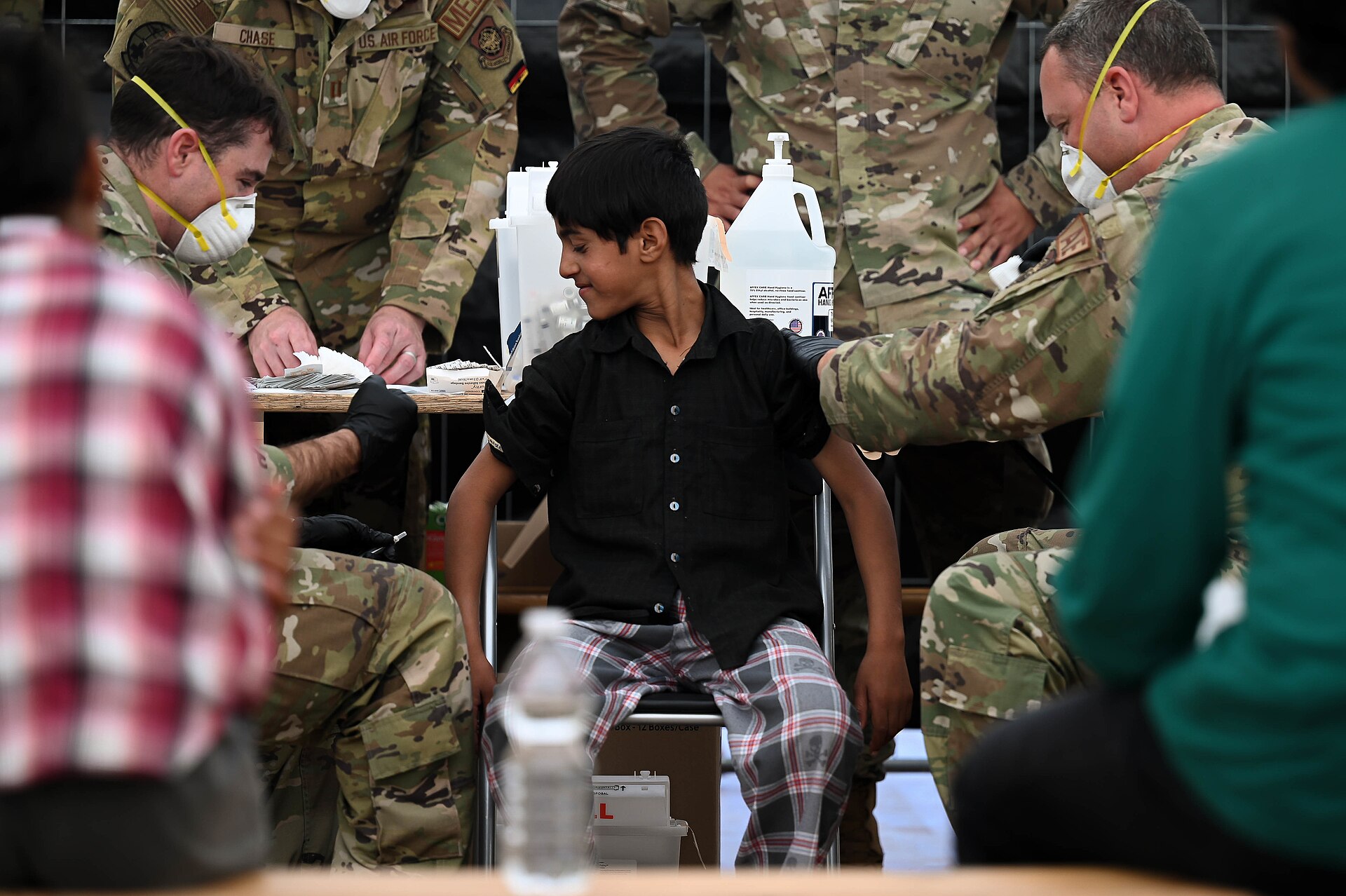
The guidance remains centred on the MMR vaccine: two doses, the first in early childhood and the second before school, provide about 97 percent protection. Adults who are unsure of their status can check with their doctor, and vaccination is particularly recommended before international travel. Catch-up doses are safe and widely available, and officials say it is not too late for families who have simply fallen behind schedule.
For readers who want the primary source rather than summaries, the CDC’s measles section covers symptoms, complications, vaccine timing and outbreak updates in one place.
What to Watch in Coming Weeks
Officials are asking for neither complacency nor alarm. Measles deserves respect: it can make children very ill and it spreads with rare efficiency. But the situation is also legible and manageable, because the cause of the rise is known and the remedy is sitting in pharmacy fridges across the country. Weekly figures will fluctuate; the coverage rate is the number that decides the long run.
Containment, Step by Step
Containment also depends on records. Health departments use immunisation registries to find under-vaccinated schools and neighbourhoods before cases arrive, and they run catch-up clinics in places where coverage has slipped. None of this is dramatic, and that is rather the point: measles control is an administrative achievement as much as a medical one, built from appointments kept, registers checked and phone calls made quickly when a rash is reported.
Because measles was declared eliminated in the US in 2000, every chain of transmission today traces back, directly or indirectly, to a case imported from abroad.
Schools in affected areas may ask unvaccinated students to stay home during an outbreak, a standard measure intended to break transmission while protecting those most at risk.
People born before 1957 are generally presumed immune through childhood infection, though healthcare workers and travellers in that group are still advised to confirm their status.
A person with measles can spread the virus from four days before the rash appears until four days afterwards, which is why prompt isolation after symptoms start matters so much.
Laboratory confirmation is used to distinguish measles from other rash illnesses and to type the virus, helping officials link cases and spot new importations early.
Clinicians stress that antibiotics do not treat measles itself, though they may be needed for bacterial complications such as ear infections or pneumonia that can follow it.
Health departments responding to cases typically work backwards through flights, schools and clinics to warn anyone who shared airspace with an infectious person during the contagious window.
Doctors note that vitamin A is sometimes given to hospitalised children with measles under medical supervision, but it is a treatment support, not a substitute for vaccination.
